


Monthly Archives: March 2026
Using Licensing as a Growth Strategy for Your Business

Source:https://flasingapore.org
In an increasingly competitive and globalized economy, businesses are constantly searching for scalable ways to expand without overextending resources or assuming excessive risk. Traditional growth paths such as acquisitions, organic expansion, or heavy capital investment are not always feasible or efficient. In this context, Licensing as a growth strategy has emerged as a powerful and flexible alternative that enables companies to monetize intellectual property, enter new markets, and accelerate growth while maintaining strategic focus. When executed thoughtfully, licensing can unlock new revenue streams and strengthen brand presence with comparatively lower operational burden.
Understanding Licensing as a Strategic Growth Lever
Licensing is a business arrangement in which one company (the licensor) grants another party (the licensee) the right to use its intellectual property—such as trademarks, patents, technology, or proprietary processes—in exchange for fees or royalties. While licensing has long been associated with brand extensions or technology transfer, its strategic importance has grown significantly in recent years.
At its core, licensing allows businesses to leverage existing assets more effectively. Intellectual property that may be underutilized internally can generate value when deployed in new contexts or markets by capable partners. This approach is particularly attractive for companies with strong brands, specialized technologies, or unique expertise but limited capacity to scale operations independently.
From a strategic perspective, licensing supports faster market entry. Instead of building local infrastructure or navigating unfamiliar regulatory environments alone, companies can partner with licensees who already possess market knowledge, distribution networks, and operational capabilities. This reduces time-to-market and mitigates many of the risks associated with expansion.
Licensing also promotes strategic focus. By delegating manufacturing, distribution, or localized adaptation to partners, licensors can concentrate on innovation, brand management, and core competencies. This division of responsibilities can enhance overall efficiency while aligning incentives through performance-based royalty structures.
Key Benefits and Risks of a Licensing-Based Growth Model
Like any growth strategy, licensing offers significant advantages but also carries inherent risks. Understanding both is essential for informed decision-making and long-term success.
One of the most compelling benefits of licensing is capital efficiency. Because licensees typically bear the costs of production, marketing, and distribution, licensors can expand with minimal upfront investment. This makes licensing particularly attractive for small and mid-sized enterprises seeking growth without diluting ownership or taking on substantial debt.
Another benefit is scalability. Licensing agreements can be replicated across regions or product categories, enabling rapid expansion without proportional increases in internal resources. This scalability is especially valuable in global markets where local adaptation is critical.
However, licensing also introduces risks related to control and brand integrity. Once intellectual property is in the hands of a partner, the licensor must rely on contractual terms and oversight mechanisms to ensure quality and consistency. Poor execution by a licensee can damage brand reputation or erode customer trust.
Managing Control, Quality, and Alignment
To mitigate these risks, companies must approach licensing with rigor and discipline. Clear contractual agreements are essential, defining usage rights, performance standards, reporting requirements, and enforcement mechanisms. Well-designed contracts protect intellectual property while establishing expectations for quality, compliance, and brand representation.
Partner selection is equally critical. Successful licensing relationships depend on alignment of values, capabilities, and strategic intent. Licensees should demonstrate not only operational competence but also a commitment to maintaining the licensor’s standards and long-term vision. Due diligence, including financial assessment and reference checks, helps reduce the likelihood of misalignment.
Ongoing governance plays a vital role in sustaining value. Regular performance reviews, audits, and communication channels ensure transparency and allow issues to be addressed proactively. Rather than a hands-off arrangement, effective licensing requires active relationship management to balance autonomy with accountability.
Implementing Licensing for Sustainable Long-Term Growth
For licensing to function as a sustainable growth strategy, it must be integrated into the broader business model rather than treated as a one-off revenue opportunity. This begins with a clear assessment of which assets are suitable for licensing and how they align with long-term strategic goals.
Companies should evaluate their intellectual property portfolio to identify assets with strong market appeal, defensibility, and adaptability. Not all assets are appropriate for licensing; those that define core competitive advantage may require tighter control, while complementary or scalable assets may be ideal candidates.
Strategic planning is also essential. Licensing objectives—such as market expansion, revenue diversification, or brand visibility—should be clearly articulated and measured through relevant performance indicators. This ensures that licensing supports overall business priorities rather than operating in isolation.
Finally, organizations should cultivate internal capabilities to manage licensing effectively. Legal expertise, partner management skills, and performance analytics are necessary to oversee agreements and maximize value. As markets evolve, licensing strategies should be reviewed and refined to reflect changing conditions and opportunities.
In conclusion, Licensing as a growth strategy offers businesses a compelling path to expansion that balances opportunity with risk. By leveraging intellectual property, selecting the right partners, and maintaining strong governance, companies can achieve scalable, capital-efficient growth while preserving strategic focus and long-term brand value.
Inside Sales vs. Outside Sales: What Works Best Today?

Source:https://www.toplead.io
In a rapidly evolving commercial landscape shaped by digital tools, remote work, and changing buyer expectations, sales organizations are reassessing how they engage prospects and customers. The long-standing debate around Inside sales vs. outside sales. has gained renewed relevance as companies seek models that balance efficiency, relationship-building, and revenue growth. Understanding how these two approaches differ—and where each delivers the greatest value—is essential for leaders designing modern sales strategies that remain competitive and customer-centric.
Defining Inside Sales and Outside Sales in the Modern Context
Inside sales and outside sales were once clearly distinguished by geography and interaction style. Inside sales teams traditionally operated from offices, relying on phone calls and emails, while outside sales representatives traveled to meet clients face-to-face. Today, these definitions have evolved, influenced by technology and shifting buyer behavior.
Inside sales now encompasses a broad range of digital engagement methods, including video conferencing, social selling, CRM-driven outreach, and data-informed account management. This model emphasizes speed, scalability, and cost efficiency. Inside sales professionals can manage larger territories and higher volumes of accounts, making this approach particularly effective for transactional sales or early-stage customer engagement.
Outside sales, by contrast, continues to prioritize in-person interaction, though it increasingly incorporates digital tools as well. This model is typically associated with complex, high-value deals that require deep trust, customization, and long-term relationship management. Outside sales representatives often serve as strategic advisors, investing time in understanding a client’s business environment and decision-making dynamics.
Rather than existing as mutually exclusive options, these models now operate along a continuum. Many organizations blend elements of both, tailoring engagement methods to customer needs, deal complexity, and market conditions.
Evaluating Effectiveness Based on Business and Buyer Needs
Determining which sales approach works best depends largely on the nature of the product or service, the target customer, and the buying process. No single model universally outperforms the other; effectiveness is context-driven.
Inside sales tends to excel in environments where buyers are comfortable with digital interaction and value convenience. Products with standardized features, shorter sales cycles, and lower price points often align well with this model. The ability to respond quickly, leverage automation, and analyze performance data in real time gives inside sales teams a significant advantage in fast-moving markets.
Outside sales, on the other hand, remains highly effective when purchases involve significant investment, risk, or customization. In such cases, face-to-face interaction can accelerate trust-building and clarify complex requirements. Industries such as enterprise technology, industrial equipment, and professional services often benefit from outside sales engagement, particularly during later stages of the buying journey.
Cost, Scalability, and Relationship Depth
One of the most critical factors in choosing between inside and outside sales is cost structure. Inside sales generally offers lower operational costs due to reduced travel expenses and higher rep productivity. This scalability makes it attractive for organizations aiming to expand rapidly or penetrate new markets efficiently.
Outside sales, while more expensive, can deliver substantial returns when relationship depth directly influences deal size and customer lifetime value. The personal connection established through in-person meetings can strengthen loyalty and open doors to upselling and cross-selling opportunities over time.
From the buyer’s perspective, preferences also play a role. Many decision-makers now expect a hybrid experience—initial research and early conversations conducted digitally, followed by more personalized engagement as commitment increases. Sales models that adapt to these preferences are more likely to succeed.
Designing a Hybrid Sales Model for Today’s Market
As the distinction between inside and outside sales continues to blur, leading organizations are adopting hybrid models that combine the strengths of both approaches. This strategy allows companies to allocate resources more effectively while aligning sales efforts with customer expectations.
In a hybrid model, inside sales teams may handle lead qualification, early-stage education, and smaller accounts, while outside sales professionals focus on strategic opportunities and key relationships. Clear role definition and seamless collaboration are essential to prevent overlap and ensure a consistent customer experience.
Technology serves as the backbone of this integration. Shared CRM systems, communication platforms, and analytics tools enable visibility across the sales funnel and support coordinated engagement. Training and performance management must also evolve, equipping sales professionals with both digital proficiency and consultative skills.
Ultimately, success lies in flexibility. Organizations that regularly reassess their sales approach based on market trends, customer feedback, and performance data are better positioned to adapt and thrive.
In conclusion, the question of Inside sales vs. outside sales. is no longer about choosing one model over the other, but about understanding how each contributes to value creation in today’s complex selling environment. By aligning sales structures with customer needs and strategic goals, companies can build resilient, high-performing sales organizations prepared for the future.
Executive Education Options That Sharpen Leadership Skills
Source:https://imageio.forbes.com
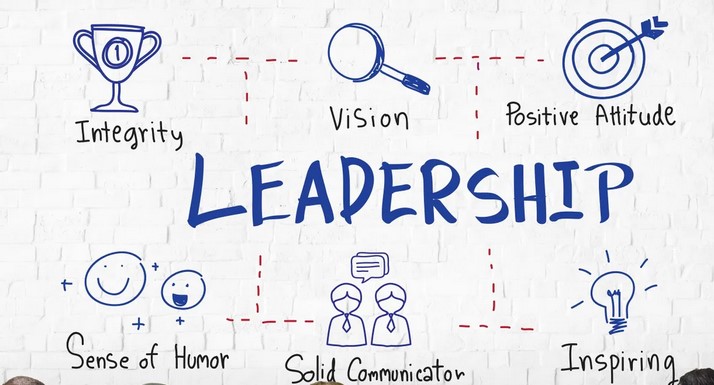
In an era of rapid technological change, global competition, and evolving workforce expectations, leadership capability has become a decisive factor in organizational success. Senior managers and executives are expected to navigate complexity, make high-stakes decisions, and inspire teams through constant change. As a result, Executive education options have gained prominence as targeted learning pathways designed to strengthen leadership effectiveness beyond traditional academic degrees. These programs focus on practical insight, strategic thinking, and personal development, helping leaders remain relevant and impactful throughout their careers.
The Evolving Purpose of Executive Education
Executive education has evolved significantly from its early focus on generalized management training. Today, it is purpose-built to address real-world leadership challenges faced by experienced professionals. Unlike undergraduate or graduate programs, executive education emphasizes immediate application, peer learning, and reflection grounded in professional experience.
One of the defining features of modern executive education is its alignment with organizational strategy. Many executives pursue these programs not only for personal growth but also to support business transformation initiatives such as digitalization, global expansion, or cultural change. Programs are often designed around themes like strategic leadership, innovation, governance, and change management, ensuring relevance at the highest decision-making levels.
Another important aspect is the diversity of perspectives participants bring into the learning environment. Executives from different industries, regions, and functional backgrounds contribute insights that enrich discussion and broaden strategic thinking. This peer-based learning model encourages leaders to challenge assumptions, explore alternative approaches, and develop a more holistic view of complex business issues.
Types of Executive Education Options Available Today
The growing demand for leadership development has led to a wide range of executive education formats, each serving different learning objectives and time constraints. Understanding these options helps executives select programs that best align with their professional goals and organizational needs.
Choosing the Right Format for Leadership Growth
Short-term executive programs are among the most popular formats. Typically ranging from a few days to several weeks, these programs focus on specific leadership competencies such as strategic decision-making, negotiation, or digital leadership. They are well-suited for executives seeking concentrated learning experiences with minimal disruption to their professional responsibilities.
Certificate programs offer a more structured learning journey over several months. They often combine multiple modules, allowing participants to build depth in areas such as leadership strategy, finance for executives, or organizational transformation. These programs balance flexibility with rigor and are particularly valuable for leaders preparing for expanded roles or transitions.
Custom executive education is another powerful option, especially for organizations investing in leadership development at scale. These programs are tailored to a company’s strategic priorities, culture, and industry context. By addressing shared challenges and aligning learning outcomes with business objectives, custom programs foster collective leadership capability and organizational alignment.
In recent years, digital and blended learning formats have expanded access to executive education. Online platforms, virtual classrooms, and hybrid models allow executives to learn at their own pace while still benefiting from expert instruction and peer interaction. While face-to-face engagement remains valuable, digital delivery enhances flexibility and global reach.
Maximizing the Impact of Executive Education
Selecting a program is only the first step; realizing its full value requires intentional engagement before, during, and after the learning experience. Executives who approach education strategically are more likely to translate insights into sustained leadership impact.
Preparation is critical. Clarifying personal learning objectives and linking them to organizational priorities helps participants focus on what matters most. Engaging openly in discussions and case analyses further deepens understanding, as real value often emerges through dialogue rather than content alone.
Application is where executive education proves its worth. Leaders should actively experiment with new frameworks, tools, and perspectives in their professional contexts. Reflecting on outcomes and seeking feedback reinforces learning and encourages continuous improvement. Organizations can support this process by creating opportunities for executives to share insights and implement initiatives inspired by their education.
Long-term impact also depends on a mindset of lifelong learning. Leadership challenges evolve continuously, making periodic engagement with executive education an essential component of professional development rather than a one-time investment. Executives who commit to ongoing learning remain adaptable, resilient, and better equipped to guide their organizations through uncertainty.
In conclusion, Executive education options play a vital role in sharpening leadership skills in today’s complex business environment. By choosing programs aligned with strategic goals, engaging deeply in the learning process, and applying insights thoughtfully, executives can enhance their effectiveness and lead with greater confidence, clarity, and impact.
Logistics Outsourcing: When and How to Do It Right

Source:https://www.inteklogistics.com
In a global economy defined by speed, complexity, and rising customer expectations, logistics has become a critical determinant of business success. Companies are under constant pressure to deliver products faster, reduce costs, and maintain service reliability across increasingly fragmented supply chains. In this context, Logistics outsourcing has emerged as a strategic option rather than a purely operational decision. When executed thoughtfully, it allows organizations to focus on core competencies while leveraging external expertise to enhance efficiency and scalability. However, outsourcing logistics without a clear strategy can expose businesses to operational risks and loss of control, making it essential to understand when and how to do it right.
Understanding the Strategic Rationale for Logistics Outsourcing
The decision to outsource logistics should be grounded in a clear understanding of organizational goals and constraints. Traditionally, companies managed logistics in-house to retain control over inventory, transportation, and distribution. While this approach can work for smaller or less complex operations, it often becomes inefficient as businesses grow, expand geographically, or face volatile demand patterns.
One of the primary drivers of logistics outsourcing is cost optimization. Third-party logistics providers (3PLs) benefit from economies of scale, established carrier networks, and advanced technologies that may be prohibitively expensive for individual companies to develop independently. By outsourcing, organizations can convert fixed costs into variable costs, improving financial flexibility and reducing capital investment.
Beyond cost considerations, outsourcing enables access to specialized expertise. Logistics providers continuously adapt to regulatory changes, technology advancements, and industry best practices. This expertise is particularly valuable in industries with complex compliance requirements or international operations. Additionally, outsourcing can enhance service levels by improving delivery speed, accuracy, and reliability, all of which directly influence customer satisfaction.
Strategically, logistics outsourcing can also support business agility. In dynamic markets, the ability to scale operations up or down quickly is essential. External partners can provide this flexibility, allowing companies to respond more effectively to seasonal fluctuations, market expansion, or unexpected disruptions without overextending internal resources.
Identifying the Right Time and Scope for Outsourcing
While the benefits are compelling, logistics outsourcing is not universally appropriate at all stages of business development. Timing and scope are critical factors that determine success or failure. Organizations must assess internal capabilities, operational complexity, and strategic priorities before making the transition.
A common indicator that outsourcing may be appropriate is when logistics activities begin to distract management from core business functions. If leadership spends disproportionate time resolving shipping issues, managing warehouses, or negotiating carrier contracts, it may signal that logistics has outgrown internal capacity. Similarly, rapid growth or market expansion often introduces logistical challenges that require infrastructure and expertise beyond what an in-house team can efficiently support.
Evaluating Readiness and Selecting the Right Model
Before outsourcing, companies should conduct a thorough readiness assessment. This includes mapping current logistics processes, identifying pain points, and defining clear performance objectives. Not all logistics functions must be outsourced simultaneously; many organizations adopt a phased approach, starting with transportation or warehousing before expanding to integrated solutions.
Selecting the right outsourcing model is equally important. Some businesses opt for transactional relationships focused on specific services, while others pursue strategic partnerships that involve deeper collaboration and shared performance goals. The choice depends on the level of control desired, the complexity of operations, and long-term strategic intent.
Vendor selection should be based on more than cost alone. Reliability, technological capability, cultural fit, and transparency are critical evaluation criteria. A strong partner should demonstrate a clear understanding of the client’s industry, offer scalable solutions, and provide measurable service-level agreements. Due diligence, including reference checks and pilot programs, can help mitigate risks before committing to a long-term arrangement.
Managing Partnerships for Long-Term Success
Outsourcing logistics does not eliminate responsibility; it shifts the nature of oversight from execution to governance. Effective partnership management is essential to ensure that outsourced operations align with business objectives and deliver sustained value.
Clear communication frameworks form the foundation of successful outsourcing relationships. Roles, responsibilities, and escalation procedures should be well-defined from the outset. Regular performance reviews, supported by agreed-upon metrics, enable both parties to monitor progress and address issues proactively. Transparency in data sharing fosters trust and facilitates continuous improvement.
Technology integration plays a significant role in partnership effectiveness. Seamless information flow between systems enhances visibility across the supply chain, enabling better forecasting, inventory management, and customer communication. Companies should prioritize partners whose technology platforms can integrate smoothly with existing systems or support future digital transformation initiatives.
Finally, organizations must view logistics outsourcing as an evolving relationship rather than a static contract. As markets, technologies, and business strategies change, the outsourcing arrangement should be reviewed and adjusted accordingly. Continuous collaboration and joint problem-solving help ensure that the partnership remains aligned with long-term goals.
In conclusion, Logistics outsourcing can be a powerful strategic lever when approached with clarity, discipline, and a long-term perspective. By understanding the rationale, selecting the right timing and scope, and actively managing partnerships, organizations can unlock efficiency, flexibility, and resilience while maintaining control over outcomes that matter most to their customers and stakeholders.
High-Impact B2B Sales Strategies That Deliver Results

Source:https://www.dwmedia.com
In an increasingly complex and competitive marketplace, organizations can no longer rely on traditional selling techniques to achieve consistent growth. Buying decisions in business-to-business environments involve multiple stakeholders, longer sales cycles, and higher perceived risk. As a result, companies must adopt smarter, insight-driven approaches that align closely with customer needs and business outcomes. B2B sales strategies today must focus not only on closing deals but also on creating measurable value, building credibility, and sustaining long-term partnerships. This article explores high-impact approaches that help sales organizations deliver reliable and scalable results.
Understanding the Modern B2B Buyer Landscape
The foundation of any effective sales approach lies in understanding how B2B buyers think and behave. Modern buyers are more informed than ever, often completing a significant portion of their research before engaging with a sales representative. They compare vendors, read reviews, analyze case studies, and expect meaningful conversations rather than generic pitches.
B2B purchasing decisions are typically made by committees rather than individuals. These groups may include executives, procurement teams, technical experts, and end users, each with distinct priorities. Sales professionals must therefore tailor their messaging to address financial impact, operational efficiency, risk mitigation, and strategic alignment simultaneously.
Another defining characteristic of today’s buyer landscape is risk aversion. Because B2B purchases often involve large investments and long-term commitments, buyers seek vendors who demonstrate reliability, industry expertise, and a deep understanding of their challenges. High-impact sales organizations respond by positioning themselves as trusted advisors rather than transactional sellers. This shift in mindset allows sales teams to engage buyers earlier, influence decision criteria, and shape solutions collaboratively.
Value-Centered Sales Execution for Measurable Impact
Delivering results in B2B sales requires disciplined execution rooted in value creation. Sales teams must clearly articulate how their solutions solve real business problems and contribute to measurable outcomes. This requires preparation, data literacy, and a consultative approach to engagement.
Aligning Solutions With Business Outcomes
One of the most effective ways to drive impact is by aligning offerings directly with the customer’s strategic objectives. Instead of focusing on product features, sales professionals should translate capabilities into tangible benefits such as cost reduction, revenue growth, productivity gains, or risk reduction. This alignment makes the value proposition relevant and defensible across all stakeholder groups.
Discovery plays a critical role in this process. Asking insightful questions helps uncover not only surface-level needs but also underlying challenges that may not be immediately obvious. By quantifying the cost of inaction and the potential return on investment, sales teams can build compelling business cases that resonate with decision-makers.
Consistency in messaging is equally important. From initial conversations to final proposals, the narrative should remain focused on customer value. Clear documentation, customized presentations, and data-backed recommendations reinforce credibility and reduce friction during internal buyer discussions.
Building Scalable and Sustainable Sales Performance
While individual deals matter, long-term success depends on building scalable systems that consistently produce results. High-performing organizations invest in processes, talent development, and performance measurement to ensure repeatability and resilience.
Sales enablement is a key driver of scalability. Providing teams with the right tools, content, and training empowers them to engage buyers effectively at every stage of the journey. This includes structured onboarding, ongoing skill development, and access to relevant market insights. When sales professionals are confident and well-prepared, they can adapt more effectively to complex selling environments.
Equally important is alignment between sales, marketing, and customer success teams. Shared goals, consistent messaging, and integrated data systems reduce inefficiencies and create a seamless customer experience. Marketing-generated insights can inform sales conversations, while feedback from sales and customers can refine marketing strategies.
Performance measurement ensures continuous improvement. Tracking metrics such as conversion rates, deal velocity, win-loss analysis, and customer lifetime value provides visibility into what works and what does not. These insights enable leaders to refine processes, allocate resources strategically, and coach teams more effectively.
In conclusion, achieving consistent growth in today’s complex selling environment requires disciplined execution, deep customer understanding, and a strong focus on value creation. When organizations invest in insight-driven processes, collaborative engagement, and scalable systems, B2B sales strategies become powerful engines for sustainable results rather than short-term wins.
Handling Customer Complaints Professionally and Effectively

Source:https://knowmax-ai-website.s3.amazonaws.com
In today’s competitive and highly transparent business environment, customer feedback travels faster and carries more influence than ever before. A single unresolved issue can escalate into reputational damage, while a well-managed concern can strengthen loyalty and trust. Handling customer complaints is therefore not merely a support function; it is a strategic responsibility that reflects an organization’s values, competence, and commitment to service quality. When approached professionally and systematically, complaints become opportunities to understand customer expectations, correct operational gaps, and reinforce long-term relationships rather than sources of conflict or loss.
The Strategic Value of Complaints in Modern Organizations
Customer complaints are often misunderstood as negative disruptions, yet they are among the most valuable sources of business intelligence. Every complaint signals a moment where customer expectations were not fully met, offering a clear indication of where products, services, or processes require improvement. Organizations that recognize this strategic value tend to outperform competitors who view complaints defensively or dismissively.
From a professional standpoint, complaints reveal patterns that internal metrics may overlook. Recurring issues can highlight design flaws, communication breakdowns, or training deficiencies. By systematically analyzing complaints, leaders gain actionable insights that support data-driven decision-making. This approach transforms reactive problem-solving into proactive improvement.
Furthermore, how an organization responds to dissatisfaction directly shapes its brand perception. Customers rarely expect perfection, but they do expect accountability, respect, and transparency. A calm, structured response signals reliability and maturity, reassuring customers that their concerns matter. In many cases, customers who experience effective resolution report higher satisfaction than those who never encountered a problem at all. This phenomenon underscores the importance of professional complaint handling as a driver of trust and retention.
A Structured Professional Approach to Complaint Resolution
Professional complaint management requires consistency, clarity, and empathy. Without a structured approach, responses may vary widely depending on individual employees, leading to uneven outcomes and customer frustration. Establishing a standardized framework ensures that every complaint is addressed fairly, efficiently, and in alignment with organizational standards.
From First Contact to Final Resolution
The process begins at the first point of contact, where tone and attentiveness are critical. Customers should feel heard and respected from the outset. Active listening—allowing the customer to explain the issue without interruption—helps de-escalate emotions and ensures accurate understanding. Acknowledging the concern does not imply fault; rather, it demonstrates professionalism and willingness to engage constructively.
Next comes clarification and assessment. Gathering relevant details, verifying facts, and understanding the customer’s desired outcome are essential steps. At this stage, clear communication is vital. Customers should be informed about what will happen next, expected timelines, and who will be responsible for follow-up. Transparency reduces uncertainty and builds confidence in the process.
Resolution should focus on fairness and feasibility. While not every request can be granted, every complaint deserves a thoughtful response grounded in policy and empathy. When solutions are offered, explaining the rationale behind them helps customers feel respected, even if the outcome is not exactly what they hoped for. Finally, follow-up confirms that the issue has been resolved satisfactorily and demonstrates genuine commitment to service excellence.
Building Organizational Capability for Long-Term Excellence
Effective complaint handling is not solely the responsibility of frontline staff; it is an organizational capability that must be cultivated intentionally. Training plays a central role, equipping employees with communication skills, emotional intelligence, and problem-solving techniques. Regular coaching and feedback ensure that these skills remain sharp and aligned with evolving customer expectations.
Equally important is leadership involvement. When leaders treat complaints as learning opportunities rather than failures, they set a tone that encourages accountability and continuous improvement. Integrating complaint data into performance reviews, process redesign, and strategic planning reinforces its value across the organization.
Technology can further enhance consistency and insight. Centralized systems for tracking and analyzing complaints enable organizations to monitor response times, resolution rates, and recurring issues. These insights support preventive action, reducing the volume of complaints over time while improving overall service quality.
In conclusion, professional complaint management is a defining element of sustainable customer relationships and organizational credibility. When approached with structure, empathy, and strategic intent, Handling customer complaints becomes a powerful mechanism for learning, improvement, and trust-building, ultimately strengthening both customer satisfaction and long-term business performance.