


Monthly Archives: April 2026
Hiring Remote Workers: Best Practices for Global Teams

Source:https://icehrm.com
Imagine waking up to a Slack message at 3:00 AM from your top developer in Eastern Europe. He’s stuck because a crucial API key expired, but your IT lead in San Francisco is sound asleep. By the time the sun rises in California, an entire day of productivity in Europe has evaporated. This isn’t a hypothetical scenario; it’s a Tuesday for many unprepared managers.
In my decade of building and scaling international ventures, I’ve learned that hiring remote workers is easy—but building a high-functioning global team is an art form. I once thought that a laptop and a Zoom account were all it took to “go global.” I was wrong. I spent the first two years of my remote-leadership journey chasing “ghost employees” and managing misaligned expectations because I hadn’t yet mastered the structural nuances of a distributed workforce.
If you want to move beyond just “outsourcing” and start building a world-class global organization, you need a strategy that treats geography as a feature, not a bug.
The “Potluck Dinner” Analogy: Why Culture Matters in Remote Work
Think of a traditional office like a catered wedding—everyone eats the same food at the same time in the same room. Everything is controlled. Hiring remote workers is more like a global potluck dinner.
You have people bringing different “dishes” (work styles, cultural nuances, and time-zone constraints) to the table. If you don’t provide a clear theme and a central table, you end up with a chaotic mess where nobody knows what to eat. As a leader, your job isn’t to control the kitchen; it’s to provide the table and the “recipe” for success so that every dish complements the others.
1. Compliance and Legal Infrastructure for Global Hiring
Before you post that job ad on LinkedIn, you have to solve the “Paperwork Puzzle.” One of the most common mistakes I see intermediate managers make is ignoring the legal complexities of cross-border employment.
When I hired my first team in Southeast Asia, I didn’t realize that “contractors” in one country might be legally classified as “employees” in another. This can lead to massive tax penalties.
-
Employer of Record (EOR): If you don’t have a legal entity in a specific country, use an EOR. They handle the local payroll, taxes, and benefits compliance for you.
-
Independent Contractor Agreements: Ensure your contracts are air-tight regarding Intellectual Property (IP) rights. Some local laws automatically grant IP to the creator, not the company, unless explicitly signed away.
-
W-8BEN and Tax Forms: Stay on the right side of the IRS (or your local tax authority) by collecting the necessary documentation before the first paycheck is sent.
2. Refining the Recruitment Funnel for Remote Talent
When you are hiring remote workers, you aren’t competing with the company down the street; you are competing with the world. This means you will get hundreds of applications. You need a filter that values “output” over “pedigree.”
I’ve found that the best remote workers share one specific trait: High Agency. They don’t wait to be told what to do; they find a way to get it done.
-
Asynchronous Auditions: Instead of a standard interview, give them a small, paid task. See how they communicate via email or Slack. If they can’t follow written instructions during a test, they won’t follow them during a high-stakes project.
-
The “Communication First” Rule: In a remote setting, Writing is a Core Competency. If a candidate’s written responses are vague or slow, they will become a bottleneck for your entire team.
3. Mastering Synchronous vs. Asynchronous Work
This is the technical “Holy Grail” of remote management. If your team depends on 8-hour Zoom meetings to get work done, you aren’t a remote team; you’re an office team that’s just far apart.
To truly scale, you must master Asynchronous Communication. This means work can progress even while the “boss” is sleeping.
-
Documentation as a Culture: If it isn’t written down in a central “Wiki” (like Notion or Confluence), it doesn’t exist.
-
The “Golden Hours”: Identify a 2-4 hour window where all time zones overlap. Use this for “culture building” and high-level strategy. Everything else should be handled via project management tools like Jira or Asana.
-
LSI Keywords to Know: Time-zone overlap, distributed workforce, digital nomad policy, and cross-cultural management.
4. Onboarding: The First 90 Days are Critical
In a physical office, you can “sense” when a new hire is lost. In a remote team, a lost employee is an invisible employee.
I once lost a brilliant designer after just three weeks because I didn’t have a structured onboarding process. He felt isolated and confused, so he took a job elsewhere. Now, we use a “Buddy System.” Every new remote hire is paired with a veteran team member for the first month—someone they can ask “silly” questions without feeling judged by their manager.
5. Security and Data Protection in a Distributed World
When hiring remote workers, you are essentially trusting people with your data on networks you don’t control. This is a massive vulnerability that beginners often overlook.
-
Hardware Policy: Will you provide laptops, or is it a “Bring Your Own Device” (BYOD) environment? I always recommend providing company-managed hardware with MDM (Mobile Device Management) software.
-
VPN and Password Management: Make LastPass or 1Password mandatory. Use a VPN for any access to sensitive databases.
-
Multi-Factor Authentication (MFA): This is non-negotiable. It is the single most effective way to prevent unauthorized access.
6. Expert Advice: The “Hidden” Burnout Factor
Tips Pro: The “Always On” Trap
Remote workers often feel they have to prove they are working by responding to messages at all hours. This leads to rapid burnout. Expert Advice: As a leader, you must set the “Right to Disconnect.” Explicitly tell your team: “If I send a message at 10 PM my time, I do not expect a response until your working hours begin.” Leading by example is the only way to build a sustainable remote culture.
7. Building “Watercooler” Moments Digitally
The biggest complaint about remote work is loneliness. Without the “incidental” conversations at the coffee machine, trust builds more slowly.
To combat this, we implement Non-Work Channels. We have Slack channels dedicated to pets, cooking, and fitness. We also host “Lightning Talks” where a team member spends 10 minutes teaching the rest of us about a hobby (I once learned how to brew kombucha from our Lead Engineer in Brazil). These small interactions are the “glue” that holds a global team together when things get stressful.
Conclusion: The Future is Borderless
Hiring remote workers is no longer a “trend”—it is a strategic necessity for companies that want to access the best talent on the planet. By focusing on legal compliance, asynchronous workflows, and a culture of radical transparency, you aren’t just managing people across borders; you are building a resilient, 24/7 engine of innovation.
Remember, the goal isn’t to make your remote team feel like they are “at the office.” The goal is to make the office unnecessary.
What is the biggest roadblock currently preventing you from expanding your team globally? Is it the legal headache, the time-zone struggle, or the fear of losing culture? Drop a comment below—let’s troubleshoot your remote strategy together!
How to Use Industry Benchmarking to Stay Competitive

Source:https://media.sproutsocial.com
I once sat in a mid-sized manufacturing firm where the owner was celebrating a “record-breaking” year. His net profit margin had hit 8%, and he was ready to hand out bonuses. But when we pulled up the latest sector report, the room went silent. Every single one of his direct competitors was operating at a 14% margin with 20% less overhead.
What felt like a victory was actually a slow-motion car crash. He wasn’t winning; he was just losing more slowly than he had the year before. This is the danger of operating in a vacuum. Without industry benchmarking, you are essentially sailing a ship without a horizon—you might be moving, but you have no idea if you’re about to be overtaken or if you’re heading toward a reef.
In my decade of consulting, I’ve found that the difference between “surviving” and “dominating” often comes down to how a leader uses data to compare their performance against the field.
The “Gym” Analogy: Why Comparison Matters
Think of industry benchmarking like going to the gym. If you only ever lift weights in your basement, you might feel incredibly strong. You see your progress, and you’re proud.
However, the moment you walk into a professional powerlifting gym, you realize that your “heavy” set is someone else’s warm-up. Benchmarking provides that reality check. It doesn’t just tell you that you’re “doing well”; it tells you where you sit in the competitive ecosystem and exactly which muscles you need to train to stay relevant.
1. Defining the Core of Industry Benchmarking
At its technical core, benchmarking is the process of measuring your company’s strategies and metrics against the “best-in-class” companies within your niche. It’s not just about looking at your neighbor; it’s about identifying the gold standard.
We generally divide this into three specific buckets:
-
Internal Benchmarking: Comparing different departments or branches within your own company.
-
Competitive Benchmarking: Direct comparisons with your immediate rivals.
-
Functional Benchmarking: Looking at leaders in other industries to find innovative processes (e.g., a hospital looking at an airline for better check-in systems).
By focusing on industry benchmarking, you stop guessing and start executing based on validated data points.
2. Key Metrics You Must Track to Stay Competitive
You cannot benchmark “everything.” If you try, you’ll drown in a sea of spreadsheets. Over the years, I’ve learned to focus on four “North Star” metrics that usually reveal the health of any business.
Financial Health and Profitability
Don’t just look at revenue. Look at your Gross Profit Margin and Operating Cash Flow. If your competitors are sourcing materials 15% cheaper than you, they have more “fuel” to spend on marketing and talent.
Operational Efficiency
This is where the “hidden” wins are found. Track your Inventory Turnover or Revenue per Employee. If a rival produces twice the output with the same headcount, they have a process advantage you need to dissect.
Customer Acquisition and Retention
In the digital age, your Customer Acquisition Cost (CAC) and Churn Rate are vital. If the industry average CAC is $50 and yours is $90, your marketing funnel is “leaky,” and you are overpaying for growth.
Employee Productivity and Satisfaction
High turnover is a silent killer. Use industry benchmarking to see if your employee retention rates match the sector average. A high turnover rate compared to the benchmark usually signals a culture or leadership crisis.
3. How to Gather Data Without Breaking the Bank
A common myth for beginners is that you need a $50,000 Gartner subscription to get good data. While those reports are great, they aren’t the only way.
-
Public Financial Statements: If your competitors are public companies, their 10-K filings are a goldmine of data on margins and R&D spending.
-
Trade Associations: Most industries (from HVAC to SaaS) have associations that publish annual “State of the Industry” reports.
-
Digital Intelligence Tools: Use tools like SimilarWeb or SEMRush to benchmark your digital footprint, traffic, and search authority against rivals.
-
Direct “Secret Shopping”: Never underestimate the power of experiencing a competitor’s customer journey firsthand.
4. The Step-by-Step Benchmarking Process
To make industry benchmarking work, you need a repeatable system. I’ve refined this into a simple four-step loop:
-
Identify the Gap: Choose one specific area (e.g., “Our delivery time is 5 days, but the industry standard is 2”).
-
Analyze the “How”: Investigate the leader’s process. Do they use a specific automation software? Different logistics partners?
-
Integrate and Adapt: Don’t just copy. Adapt their strength to your unique brand voice.
-
Monitor the Delta: Measure the change. Did your delivery time drop? Did your costs stay stable?
5. Expert Advice: Avoiding the “Averaging” Trap
Here is a Peringatan Tersembunyi (Hidden Warning): Many businesses make the mistake of aiming for the “Industry Average.”
Average is dangerous. If you aim for the average, you are aiming for mediocrity. The average includes the companies that are about to go out of business. When you perform industry benchmarking, always look at the top 10% (the “frontier” firms). Your goal isn’t to be “as good as the rest”; it’s to understand what the best are doing and find a way to leapfrog them.
Tips Pro: The “Context” Filter
Always adjust for scale. Comparing a $1M startup’s efficiency to a $1B corporation is often an apples-to-oranges comparison. The corporation has “Economies of Scale” that you don’t. Instead, benchmark yourself against companies that are one “stage” ahead of you—this provides a more realistic and actionable roadmap.
6. Utilizing LSI Keywords for Deeper Context
To truly master the competitive landscape, you must understand the technical vocabulary that drives these discussions:
-
Best Practices: The commercial or professional procedures that are accepted or prescribed as being correct or most effective.
-
Key Performance Indicators (KPIs): The specific measurements used to gauge success.
-
Gap Analysis: The method of assessing the differences between the actual performance and the desired performance.
-
Market Share: The portion of a market controlled by a particular company or product.
-
Total Quality Management (TQM): A system of management based on the principle that every staff member must be committed to maintaining high standards of work.
7. The Psychological Edge of Benchmarking
One of the most profound observations I’ve made is that benchmarking changes a team’s psychology. Without it, employees can become complacent. They think, “We’re doing our best!”
But when you show them a benchmark that says a competitor is doing it in half the time, it shifts the conversation from “We’re doing our best” to “How are they doing that, and how can we do it better?” It fosters a culture of Continuous Improvement and curiosity.
Conclusion: Data is the Ultimate Competitive Advantage
Industry benchmarking isn’t a one-time project; it’s a lifestyle for your business. It protects you from the “Blind Spot of Success” and gives you the objective data needed to make hard decisions. Whether you are a beginner looking to find your footing or a mid-level manager trying to break through a plateau, the data is out there. You just have to be brave enough to look at it.
When was the last time you compared your internal metrics to the “Best-in-Class” in your niche? Pick one metric today—just one—and find out where you stand. You might find a reason to celebrate, or you might find the wake-up call that saves your business.
Implementing Investor Feedback Mechanisms Effectively

Source:https://pageoneformula.com
I once sat through a post-board meeting dinner where the Lead Investor leaned over his steak and said, “You’re running a great operation, but your communication is like a black hole. Information goes in, but I never know if it actually changed anything.” That comment stung more than any missed revenue target. I realized then that I wasn’t managing a partnership; I was just managing a reporting schedule.
In over a decade of scaling businesses and sitting on both sides of the fundraising table, I’ve seen that the most successful founders aren’t the ones who ignore their investors, nor the ones who blindly follow every piece of advice. They are the ones who build robust investor feedback mechanisms that turn a “check-writer” into a “strategic weapon.”
If you treat your investors like a “boss” to be feared or a “bank” to be ignored, you are leaving millions of dollars in intellectual capital on the table.
The “GPS” Analogy: Navigating with Investor Input
Think of your company as a car and your investors as a sophisticated GPS system. You are the driver. The GPS provides real-time data, identifies roadblocks ahead, and suggests faster routes.
However, if you turn the volume off (ignore feedback), you’ll miss the warning about the bridge being out. If you let the GPS steer the car (blindly following every suggestion), you’ll likely end up in a ditch because the GPS doesn’t know there’s a pothole right in front of your tires. Effective investor feedback mechanisms allow you to hear the guidance clearly while keeping your hands firmly on the wheel.
1. Why You Need Structured Investor Feedback Mechanisms
Most founders think an “Update Email” is enough. It isn’t. An update is a broadcast; a feedback mechanism is a dialogue.
Without a structured process, you fall victim to the “Loudest Voice” syndrome. This is where the investor who complains the loudest during a random Tuesday phone call dictates your product roadmap, while the quiet, strategic investor’s insights are never heard.
-
Alignment: Ensures everyone agrees on what “success” looks like.
-
De-risking: Investors often see patterns across their entire portfolio that you can’t see from inside your silo.
-
Follow-on Funding: Investors are significantly more likely to participate in the next round if they feel they have been part of the journey, not just a spectator.
2. Designing the Feedback Loop: Three Essential Layers
To implement investor feedback mechanisms effectively, you need a multi-layered approach. You can’t rely on a single annual meeting to capture the nuance of a growing business.
Layer 1: The Monthly “Pulse” Update
This is your baseline. However, the secret sauce is adding a “Hard/Soft Ask” section at the bottom.
-
The Technical Edge: Use a consistent template that includes KPIs, Burn Rate, and Runway.
-
The Feedback Trigger: Explicitly ask: “Based on these numbers, what is one risk you see that we might be overlooking?”
Layer 2: Quarterly Strategic Deep-Dives
Move beyond the slides. Use these sessions to present a specific challenge—for example, “We are struggling with churn in the Mid-Market segment”—and solicit structured input.
-
Methodology: Send the data 48 hours in advance. Don’t spend the meeting presenting; spend it discussing.
Layer 3: Annual Sentiment Surveys
Once a year, send an anonymous (or semi-anonymous) survey to your cap table.
-
The KPI: Track your Investor Net Promoter Score (iNPS). Ask how they rate your transparency, responsiveness, and execution.
3. Filtering the Signal from the Noise
One of the hardest lessons I learned is that not all feedback is created equal. I’ve seen founders pivot their entire strategy because a “Big Name” investor made a casual comment during a coffee break.
To manage investor feedback mechanisms without losing your mind, you must categorize input into three buckets:
-
Directive Feedback: High-stakes issues involving governance, legal, or major financial pivots. Pay close attention.
-
Operational Advice: Suggestions on hiring, marketing, or tech stacks. Treat these as “Consulting” input—valuable, but optional.
-
The “Shiny Object”: Random ideas that don’t align with your North Star. Acknowledge them, thank the investor, and move on.
4. Closing the Loop: The “Active Listening” Protocol
The biggest mistake is gathering feedback and then doing nothing with it—or worse, doing something but not telling the investor.
If an investor gives you a lead for a new hire or a piece of advice on your pricing model, you must close the loop.
-
The Update: “Hey [Investor Name], we implemented that pricing adjustment you suggested. We saw a 12% lift in conversion over the last 14 days. Thanks for the steer.”
-
The Result: This simple message triggers a dopamine hit for the investor. They feel useful, and they will work harder for you next time.
5. Overcoming the “Bad News” Barrier
Many beginners hide bad news. I’ve been there—sweating over an email because we missed a milestone.
Expert Advice: Professional investors hate surprises, but they love problems they can help solve. If you have a structured mechanism for sharing bad news early, you turn a potential crisis into a collaborative brainstorming session.
Tips Pro: The “Pre-Read” Rule
Never surprise your board or lead investors with major bad news during a meeting. Always use a “Pre-Read” email or a quick 1:1 call 24 hours before. This allows them to process their emotions and show up to the meeting in “Problem-Solving Mode” rather than “Critique Mode.”
6. LSI Keywords and Technical Best Practices
When building your investor feedback mechanisms, ensure you are utilizing the right tools and terminology to remain professional:
-
Cap Table Management: Use platforms like Carta or Pulley to keep your investor list clean and accessible for communication.
-
Governance: Ensure your feedback mechanisms respect your Board Observer rights and Fiduciary Duties.
-
Investor Relations (IR) Software: For larger cap tables, use dedicated IR tools to track engagement levels and who is actually opening your updates.
-
Transparency vs. Confidentiality: Always mark sensitive feedback sessions as “Confidential/Internal Use Only” to protect your Intellectual Property (IP).
7. Hidden Warning: The “Shadow” Board
Be careful of the “Shadow Board”—a group of influential investors who talk to each other outside of your structured meetings.
If your investor feedback mechanisms are weak, these “Shadow” conversations can turn toxic. By providing a clear, transparent, and frequent channel for feedback, you control the narrative and prevent misalignment from festering in the shadows.
Conclusion: Turning Advice into Equity
Implementing investor feedback mechanisms effectively isn’t about being a “people pleaser.” It’s about building a high-performance machine that harvests the collective wisdom of your cap table.
When you do this right, you don’t just get capital; you get a group of advocates who are emotionally and intellectually invested in your victory. You stop being a lonely founder and start being the leader of a high-powered alliance.
Think about your current investor communication: Is it a one-way street, or a two-way conversation? What is one specific “Ask” you can send to your investors this week to kickstart a more strategic dialogue?
Agency Model Breakdown: Understanding the Structure
Source:https://firstpagesage.com
Imagine spending six months building what you thought was a world-class creative team, only to realize that every time you sign a new client, your profit margins actually shrink. I’ve seen it happen to brilliant founders more times than I can count. They have the talent, the drive, and the clients, but they are operating on a flawed blueprint.
In my decade of navigating the business services sector, I’ve learned that an agency isn’t just a group of people doing work for others—it’s a high-stakes engineering project. If the foundation is off by even a few degrees, the whole skyscraper leans when the wind of scaling starts to blow.
Whether you are looking to start your own firm or trying to understand why your current one feels like a chaotic “hamster wheel,” this agency model breakdown will peel back the curtain on how these machines actually function under the hood.
The “Kitchen” Analogy: What is an Agency, Really?
To understand an agency, think of a high-end restaurant.
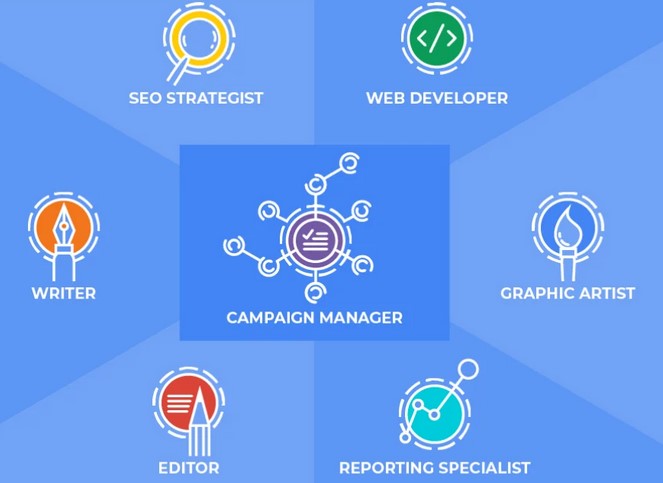
The Account Managers are the waiters—they manage the relationship, set expectations, and ensure the “guest” is happy. The Creative/Technical Team are the chefs in the back, focused purely on the craft and the output. Finally, the Operations/Leadership are the restaurant owners, making sure the ingredients are bought at the right price and the rent is paid.
In a bad agency model, the chef is trying to wait tables while the waiter is trying to cook. This “role blur” is the number one killer of profitability for beginners and intermediate owners alike.
1. The Core DNA: Common Agency Business Models
Before we talk about desks and software, we have to talk about how the money flows. In this agency model breakdown, we categorize models based on their delivery and billing structures.
The Traditional “Full-Service” Model
This is the “Department Store” of agencies. They do everything—SEO, PR, Creative, and Web Dev.
-
The Benefit: High client retention because you are a “one-stop-shop.”
-
The Risk: It’s incredibly difficult to maintain excellence across every service. I’ve found that full-service agencies often struggle with overhead bloat because they need to hire specialists for a dozen different niches.
The Specialized “Boutique” Model
Boutiques do one thing (e.g., only Facebook Ads for E-commerce) and they do it better than anyone else.
-
The Benefit: You can charge a premium because you are an expert, not a generalist.
-
Technical Edge: Your Standard Operating Procedures (SOPs) become highly refined, allowing for better profit margins.
The Productized Service Model
This is the newest trend I’ve observed. Instead of custom quotes, you sell “packages” (e.g., “4 Blog Posts per month for $2,000”).
-
The Benefit: It makes sales and scaling predictable.
-
The Challenge: It lacks the flexibility that high-ticket enterprise clients often demand.
2. Breaking Down the Internal Hierarchy
The structure of your team dictates the speed of your delivery. Most successful agencies follow a variation of the “Pod” system or the “Departmental” system.
The Departmental Structure
This is the classic corporate setup. All designers report to a Head of Design; all writers report to a Head of Content.
-
Best for: Deep technical excellence and consistent quality control.
-
The Downside: Communication “silos.” If the SEO team doesn’t talk to the Web Dev team, the client gets a beautiful website that nobody can find on Google.
The Pod Structure (The “Squad” Model)
I personally prefer this for scaling. A “Pod” consists of one Account Manager, one Designer, and one Strategist who work together on a specific group of clients.
-
Why it works: It creates a “mini-agency” feel. The team knows the client’s brand inside and out, leading to faster turnaround times and higher client lifetime value (LTV).
3. The Financial Engine: Pricing and Profitability
If you don’t understand your utilization rate, your agency is a ticking time bomb. This is a technical metric I track religiously.
Utilization Rate Formula: >
$$\text{Utilization Rate} = \left( \frac{\text{Billable Hours}}{\text{Total Available Hours}} \right) \times 100$$
In my experience, a healthy agency should aim for a 60-70% utilization rate across the entire team. If it’s 90%, your team is burning out. If it’s 40%, you are overstaffed and losing money.
Common Billing Structures:
-
Hourly Billing: Fair, but it penalizes you for being fast and efficient.
-
Retainers: The “Holy Grail.” Predictable monthly income that allows you to plan your hiring.
-
Performance-Based: High risk, high reward. You get paid based on the leads or sales you generate. Warning: Only do this if you have total control over the client’s sales funnel.
4. The Growth Lifecycle: From Freelancer to Agency
Most people start as a “Freelancer with a helper.” The jump to a true agency happens when the founder stops being the “Primary Doer” and starts being the “Primary Designer of Systems.”
-
Phase 1 (The Hustle): Founder does 80% of the work.
-
Phase 2 (The Tipping Point): The founder hires their first full-time Account Manager. This is the most dangerous phase—your profits will dip because you are paying a salary for someone who doesn’t “produce” the craft, but manages the flow.
-
Phase 3 (The Machine): The founder focuses on Business Development and Culture, while the systems handle the client work.
5. Expert Advice: The “Hidden” Growth Killers
I’ve sat in rooms with agency owners doing $5M in revenue who were taking home less profit than they did when they were solo. Why? Scope Creep and Service Drag.
-
Scope Creep: Doing “just one extra thing” for a client for free. Over a year, this can eat 15% of your profit.
-
Service Drag: Offering services that are “high-touch” but “low-margin” just to keep a client happy.
Tips Pro: The “Rule of Three”
Never let a single client represent more than 25-30% of your total revenue. If they leave, and you have to fire half your staff, you don’t have a business—anda you have a dangerous dependency. Diversification is your best insurance policy.
6. Future-Proofing Your Agency Model
The rise of AI and automation is shifting the agency model breakdown from “selling hours” to “selling outcomes.”
Ten years ago, you could charge $5,000 for a basic set of brand guidelines. Today, AI can do that in seconds. The modern agency structure must focus on Strategic Consulting and Complex Integration—things that require human empathy and high-level problem-solving.
-
LSI Keywords to watch: Resource allocation, Client churn rate, Capacity planning, and Value-based pricing.
Conclusion: Designing Your Blueprint
Understanding the agency model breakdown is about more than just drawing boxes on an org chart. It’s about creating a sustainable ecosystem where your team can thrive, your clients can grow, and your business remains profitable.
If you are just starting, don’t try to be everything to everyone. Pick a niche, master your SOPs, and watch your utilization rates like a hawk.
What does your current structure look like? Are you a “One-Man-Army” or are you struggling with the transition to a Pod system? Drop a comment below or send me a message—I’d love to help you diagnose your structural bottlenecks.
If you found this deep-dive valuable, consider sharing it with a fellow founder who is currently “stuck in the weeds” of their service business.
Wholesale Pricing Strategy That Maintains Profitability

Source:https://ordersinseconds.com
Five years ago, I stood in a warehouse surrounded by $500,000 worth of inventory that wasn’t moving. We had just landed a massive contract with a national retailer, and in our excitement, we slashed our prices to “get our foot in the door.” By the time we factored in shipping, returns, and the sheer administrative weight of the account, we weren’t just breaking even—we were paying for the privilege of doing business with them.
It was a classic “volume trap.” Many businesses believe that high volume cures all ills, but without a robust wholesale pricing strategy, volume is just a faster way to go bankrupt.
If you are a founder or a manager looking to scale, you need to understand that wholesale isn’t just “retail minus 50%.” It is a delicate balancing act between keeping your retailers happy and keeping your lights on.
The Foundation of a Wholesale Pricing Strategy
At its core, wholesale pricing is like a three-legged stool. If one leg is too short—be it your Cost of Goods Sold (COGS), your Retailer’s Margin, or your Market Positioning—the whole thing topples over.
When I first started in the business world, I saw many peers setting prices based on what their competitors were doing. This is dangerous. Your competitor might have a more efficient supply chain or lower labor costs. If you copy their price without knowing your own numbers, you are flying blind.
To build a strategy that lasts, we have to look at the “hidden” numbers that many beginners overlook.
1. Calculating Your True COGS (More Than Just Materials)
To build a profitable wholesale pricing strategy, you must first master your COGS. Most people count the fabric, the plastic, or the ingredients. But what about the “ghost costs”?
I’m talking about Inbound Freight, Customs Duties, Packaging Waste, and even the Electricity it takes to run the machines.
-
Landed Cost: This is the most important term you’ll learn. It’s the total price of a product once it has arrived at your warehouse door.
-
Labor Allocation: Don’t forget to pay yourself or your staff. If it takes 20 minutes to pack a wholesale order, that labor cost must be baked into the price.
2. The Absorption Pricing Method
In my decade of experience, I’ve found that Absorption Pricing is the safest bet for those in the “intermediate” stage of business. This method ensures that every single unit sold “absorbs” a portion of your overhead.
Imagine you are running a bakery. It’s easy to calculate the cost of flour and sugar for one loaf of bread. But that loaf also needs to help pay for the rent, the oven maintenance, and the accountant’s fees.
-
The Formula: (Direct Costs + Overhead + Administrative Costs) / Total Units Produced.
-
The Benefit: It prevents you from “losing money on every sale but trying to make it up in volume”—a logic that has sunk countless promising startups.
3. Understanding the Retailer’s Perspective: Keystone and Beyond
When you approach a retail partner, you aren’t just selling a product; you are selling them a Profit Margin. Most retailers expect a Keystone Markup, which is doubling the wholesale price to reach the Manufacturer’s Suggested Retail Price (MSRP).
If you sell a widget for $10, they want to sell it for $20. If your production costs are $8, you’re only making $2. In that scenario, one shipping error or one returned pallet wipes out your entire month’s profit.
Why MSRP Matters
A consistent wholesale pricing strategy requires a strictly enforced MSRP. I once saw a brand allow their wholesale partners to engage in a “race to the bottom,” undercutting each other’s prices online. Within six months, the brand’s perceived value was ruined, and high-end boutiques refused to stock them because they couldn’t compete with the discounted prices.
4. Implementing Tiered Volume Discounts
One of the most effective ways to maintain profitability while encouraging larger orders is through Volume-Based Pricing.
Instead of a flat rate, I always recommend a tiered structure. It looks something like this:
-
Tier 1 (MOQ): 50–100 units at $15/unit.
-
Tier 2: 101–500 units at $13/unit.
-
Tier 3: 500+ units at $11/unit.
Why this works: Your “per-unit” operational cost drops as orders get bigger. It’s much cheaper for your team to pick, pack, and invoice one order of 500 units than it is to do 10 separate orders of 50 units.
5. Psychological Pricing and Market Positioning
Data is vital, but business is also about human psychology. If you position your product as a “Premium Luxury” item, your wholesale pricing strategy must reflect that.
I’ve seen brands actually increase their wholesale price and see a rise in demand. Why? Because the higher price point signaled higher quality to the retailers. If you are too cheap, retailers might worry your product won’t last or that it will make their store look “budget.”
Pro Tip: The “Buffer” Rule
Always build a 5–10% “Buffer” into your wholesale price for Trade Spending. This includes things like co-op advertising, damaged goods allowances, or “slotting fees” that big retailers often charge to put your product on a prime shelf. If you don’t build this in now, it will come directly out of your take-home profit later.
6. Managing Dynamic Costs and Inflation
We live in a world where shipping container prices can triple overnight. A static wholesale pricing strategy is a dead one.
In my practice, we review our wholesale price lists every six months. We don’t always change them, but we analyze the Gross Margin on every SKU.
-
LSI Term: Price Elasticity. How much can you raise your price before demand drops?
-
Variable Costs: Keep a close eye on raw material fluctuations. If the price of coffee beans goes up, your wholesale price for roasted bags must follow, or you are simply subsidizing your customers’ caffeine habits.
Hidden Warning: The “DTC vs. Wholesale” Conflict
A common trap for intermediate business owners is undercutting their wholesale partners on their own website. If you sell a product for $40 on your site but your retailers are trying to sell it for $50, you are competing against your own best customers.
Expert Advice: Your Direct-to-Consumer (DTC) price should almost always match the MSRP you give to your wholesalers. If you want to run a sale on your site, offer it to your wholesalers as a “limited-time promotion” as well so they can participate.
Putting It All Together
A successful wholesale pricing strategy isn’t about being the cheapest; it’s about being the most sustainable. You need to provide enough “meat on the bone” for your retailers while ensuring your own company has the cash flow to innovate and grow.
Recap Checklist for Your Strategy:
-
Calculate your Landed COGS with 100% accuracy.
-
Decide on your Minimum Order Quantity (MOQ) to protect your time.
-
Set a firm MSRP to protect your brand equity.
-
Build in a Trade Spending Buffer for unexpected costs.
-
Review your margins every quarter to stay ahead of inflation.
Wholesale can be the engine that takes your business from a small operation to a household name. But that engine needs the right fuel—and that fuel is profit. Without it, you’re just moving boxes for free.
What is the biggest challenge you’ve faced when trying to set your wholesale prices? Leave a comment below or reach out—I’d love to hear how you’re balancing volume and value in your own business!
Leadership KPIs to Track for Organizational Impact

Source:https://iheteam.com
I once sat in a boardroom where the CEO slammed a 50-page report on the mahogany table. “Our revenue is up 20%,” he said, “but my department heads are burning out, our best engineers are quitting, and I have no idea if we’re actually leading or just riding a lucky market wave.”
It was a wake-up call. Many organizations treat Leadership KPIs like a dashboard in a car where the speedometer works, but the fuel gauge and engine lights are taped over. You know how fast you’re going, but you have no clue when you’re about to stall.
After a decade of navigating the corporate trenches, I’ve learned that true leadership isn’t a “feeling.” It’s a measurable engine that drives long-term value. If you want to move beyond “bossing” and start “leading,” you need to track the right metrics.
Why Traditional Metrics Often Fail Leaders
Most managers lean too heavily on lagging indicators—things like quarterly profit or annual sales targets. While these are important, they are the results of leadership, not the measurement of leadership itself.
Think of it like training for a marathon. Your finishing time is your result, but your heart rate, sleep quality, and VO2 max are the KPIs that tell you if your training program is actually working. In business, if you only look at the “finishing time,” you’ll miss the internal fatigue that leads to a collapse.
To create Organizational Impact, we need to look at leading indicators. These are the metrics that predict future success and highlight the health of your human capital.
1. Employee Engagement and Net Promoter Score (eNPS)
One of the most critical Leadership KPIs is how likely your team is to recommend your company as a great place to work. This is measured through the Employee Net Promoter Score (eNPS).
In my experience, a high eNPS is the ultimate “shield” against market volatility. When employees are engaged, they don’t just do their jobs; they innovate and protect the brand.
-
How to track it: Use anonymous surveys asking, “On a scale of 0-10, how likely are you to recommend this organization as a place of employment?”
-
The Technical Edge: Look for the “Delta.” A one-time high score is nice, but the trend line over four quarters tells the real story of your leadership’s consistency.
2. Retention Rate of High-Potential Employees (HiPos)
Losing a “B-player” is a hiring headache; losing an “A-player” is a strategic disaster. Leadership impact is directly visible in your ability to keep your top talent.
When I consult with tech firms, I often see a “leaky bucket” syndrome. They spend millions on recruitment but have a leadership culture that drives experts away within 18 months.
-
Focus on Turnover: Don’t just look at general turnover. Filter it by performance. If your High-Potential Retention is dipping, your leadership team likely has a “trust” or “growth” bottleneck.
-
Cost Analysis: Remember, replacing a mid-level leader typically costs 150% to 200% of their annual salary in lost productivity and recruitment fees.
3. Internal Promotion Rate and Leadership Pipeline
A leader’s primary job is to create more leaders. If you are constantly hiring external candidates for senior roles because “nobody internally is ready,” you are failing a key leadership metric.
I like to use the “Bench Strength” analogy. A great football coach doesn’t just worry about the starting eleven; they ensure the substitutes are ready to play at the same level.
-
The Metric: Track the percentage of leadership roles filled via internal promotion versus external hires.
-
Succession Readiness: Identify how many “Ready Now” candidates you have for every critical role. If that number is zero, your organizational impact is fragile.
4. Feedback Loop Velocity and Implementation
In the age of Agility, the speed at which a leader receives, processes, and acts on feedback is a massive competitive advantage.
I’ve observed that in “stagnant” organizations, feedback takes months to reach the top. In “impactful” organizations, the Feedback Loop Velocity is measured in days.
-
Technical Context: This isn’t just about “listening sessions.” It’s about Actionability.
-
The KPI: Track the time elapsed from a “High-Priority” employee suggestion to the “Implementation or Decision” phase.
5. Strategic Alignment Score
You can have the most hardworking team in the world, but if they are rowing in different directions, the boat stays still. Strategic Alignment ensures that every individual contributor understands how their daily tasks link to the company’s “North Star.”
-
The Test: Randomly ask five employees at different levels to explain the company’s top three goals for the year.
-
The Goal: If more than two are confused, your communication as a leader is failing to scale.
Pro Tip: The “Shadow” Metric
Pay attention to the “Meeting-to-Action” ratio. If your leaders spend 90% of their time in meetings and only 10% on execution or coaching, their impact is being strangled by bureaucracy. Aim for a culture where meetings are for decisions, not just status updates.
6. Training ROI and Skill Acquisition
Leadership isn’t just about managing what people know now; it’s about preparing them for what they need to know tomorrow.
Instead of just tracking “Hours of Training” (which is a vanity metric), track Skill Application.
-
Measurement: Six months after a training intervention, assess if the specific competency (e.g., Data Analysis or Conflict Resolution) has improved in performance reviews.
-
Upskilling Index: Use LSI keywords like “cross-functional versatility” to measure how many employees can perform tasks outside their primary silo.
Avoiding the “Metric Trap”
A word of caution: Do not weaponize these KPIs. When KPIs become a “stick” to beat people with, people start “gaming the system.” If you punish low eNPS scores without investigating the “why,” managers will simply pressure employees to give higher ratings.
KPIs are a compass, not a verdict. Use them to start conversations, not to end them. When I see a dip in a leadership metric, I don’t start with a reprimand; I start with the question: “What obstacle is in your way that I can help remove?”
Hidden Warning: The “Heroic Leader” Fallacy
Be careful of leaders who have great individual KPIs but “scorched earth” teams. These are the “Heroic Leaders” who hit every sales target but leave a trail of burnout and resentment behind them.
Always pair a performance KPI with a health KPI. For example, don’t just track “Project Delivery Speed”; pair it with “Team Overtime Hours.” This ensures that your impact is sustainable and doesn’t come at the cost of your organization’s long-term health.
Conclusion: Making it Count
Tracking Leadership KPIs transforms leadership from a subjective art into a disciplined science. By focusing on eNPS, HiPo retention, and strategic alignment, you ensure that your organization isn’t just surviving, but thriving.
Remember, the goal of leadership is to build an organization that can eventually succeed without you. That is the ultimate mark of impact.
What is the one metric your organization is currently ignoring? Start tracking it this month and watch how the conversation changes from “I think we’re doing okay” to “I know exactly where we’re going.”