


Category Archives: Influencer
Growing a Business with Engaging Newsletters

Source:https://snacknation.com
Imagine waking up on a Tuesday morning, grabbing your coffee, and logging into your business dashboard only to realize a third-party social media platform has updated its algorithm overnight. Suddenly, your organic reach has plummeted by 60%, your ad costs have doubled, and the digital audience you spent years building is locked behind a new paywall.
Over my ten-plus years as a business strategist and growth writer, I have watched countless small and mid-sized businesses ride this terrifying algorithmic roller coaster. The ones who survive—and thrive—all have one thing in common: they don’t rent their audience; they own it. And there is no better way to own your audience than growing with newsletters.
According to industry data, email marketing continues to lead all digital channels with an average return on investment (ROI) of $36 to $45 for every $1 spent. Yet, many businesses still treat their newsletters like a corporate dumping ground for dry press releases. Let’s look at the operational strategies required to build a high-converting, deeply engaging newsletter engine that drives predictable business growth.
The Zero-Party Data Shift: Why Newsletters are Infrastructure
We are living in an era where digital privacy regulations (like GDPR) and tech updates from Apple and Google have made traditional tracking pixels less effective. Relying entirely on cold social media traffic to scale your business is a high-risk gamble.
Think of building your business on a social media platform like building a beautiful glass house on rented land. The landlord can change the rules, raise the rent, or tear down your view at any moment.
A newsletter, by contrast, is land you completely own. When a prospect hands over their email address, they are giving you explicit permission to bypass the noise of the public square and step directly into their private digital living room—the inbox. This relationship is built on first-party and zero-party data (information your customers willingly share with you), which is immune to algorithm volatility.
The Mechanics of Engagement: How to Make People Actually Open Your Emails
The total volume of daily global emails is projected to surpass 400 billion messages. If your newsletter looks just like everyone else’s, it will instantly end up in the digital trash bin. To capture attention in three seconds or less, you need a firm grasp on three foundational technical metrics:
-
Open Rate: The percentage of recipients who open your email (the cross-industry benchmark sits around 21-22%, though top-tier newsletters achieve 41%+).
-
Click-Through Rate (CTR): The percentage of recipients who click a link inside your email (a healthy CTR is between 2% and 5%).
-
Click-to-Open Rate (CTOR): The true measure of content quality, calculating how many people who opened the email actually found the content interesting enough to click a link.
To optimize these numbers, you must structure your emails with a strict mobile-first design philosophy. Current data shows that over 55% of all email opens happen on mobile devices.
Crafting High-Converting Subject Lines and Preheaders
Your subject line is the front door of your business. If it’s boring, nobody enters. Keep your subject lines under 40 characters so they don’t get cut off on a smartphone screen.
Avoid using generic words like “June Newsletter” or “Company Update”—data shows that adding the word “Newsletter” to a subject line drops open rates by nearly 19%. Instead, use personalized subject lines or curiosity-driven hooks, and pair them with an informative preheader (the preview text right next to the subject line) to give the reader an irresistible reason to click.
Advanced Strategy: The Power of Behavioral Segmentation
The biggest mistake intermediate marketers make is treating their email list like a single, massive monolith. Sending the exact same broadcast blast to a brand-new subscriber, a loyal repeat customer, and an inactive lead is a quick way to spike your unsubscribe rate.
+----------------------+--------------------------+--------------------------+
| Subscriber Segment   | Behavioral Trigger       | Content Focus            |
+----------------------+--------------------------+--------------------------+
| New Leads            | Just joined the list     | High-value welcome flow  |
| Warm Prospects       | Clicked a product link   | Case studies & social    |
|                      |                          | proof                    |
| Active Customers     | Completed a purchase     | Post-purchase onboarding |
| Inactive Subscribers | No opens in 90 days      | Win-back/Re-engagement   |
+----------------------+--------------------------+--------------------------+
By leveraging modern email service providers (ESPs) like Klaviyo, Beehiiv, or HubSpot, you can set up automated, behavior-based email flows. For example, automated welcome emails can achieve open rates as high as 83%, making them prime real estate for delivering your most inspiring brand story or a compelling call to action.
Expert Advice: The Hidden Pitfalls of Email Deliverability
The Domain Reputation Trap
You can write the most brilliant copy in the world, but it won’t grow your business if it lands straight in the “Spam” or “Promotions” tab. Email providers have introduced highly strict spam-filtering algorithms based on user engagement.
If you continually send emails to a “dead” list of people who haven’t opened your messages in six months, Gmail and Yahoo will notice your low open rates and automatically downgrade your sender reputation. Pro Tip: Perform a “list cleaning” or list hygiene routine every quarter. Send a final, compelling re-engagement campaign to inactive users, and if they don’t respond, manually purge them from your list. A smaller, deeply engaged list of 5,000 readers will generate vastly more revenue than a bloated list of 50,000 passive subscribers.
Turning Readers Into Buyers
An engaging newsletter is ultimately a trust-building asset. When a subscriber reads your insights, enjoys your authentic voice, and interacts with your community polls week after week, you are accumulating relational equity. By the time you introduce a digital product, a software solution, or a premium service, you aren’t selling to a cold audience—you are offering a solution to an ecosystem of warm, pre-qualified buyers.
What is the biggest roadblock holding you back from launching or scaling your business newsletter? Are you struggling to grow your subscriber count, or are you trying to figure out the right content strategy to boost your open rates? Drop a comment below, and let’s talk strategy!
Building Online Trust to Increase Conversion Rates
Source:https://enginescout.com.au
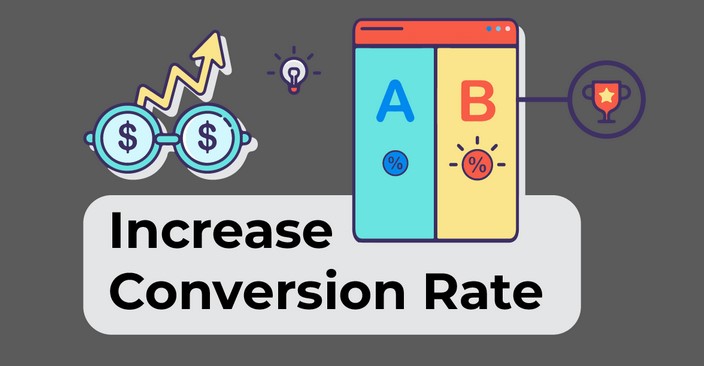
In the digital age, trust is one of the most valuable currencies. Whether you are running an e-commerce store, offering online services, or promoting digital products, building online trust is essential to drive conversions and foster customer loyalty. Online users are becoming increasingly cautious about sharing personal information or making purchases due to the rise of cyber threats and fraudulent activities. For businesses, gaining the trust of their audience is no longer optional—it’s a necessity. In this article, we’ll explore effective strategies for building online trust, helping you increase your conversion rates and ensure your customers feel confident in their interactions with your brand.
1. Professional Website Design and User Experience
The first interaction many customers have with your business is through your website. It is the foundation of your online presence, and a well-designed, user-friendly site can significantly contribute to building trust. In fact, a poorly designed or difficult-to-navigate website can raise red flags for potential customers and reduce conversion rates.
1.1 Clean and Modern Design
A visually appealing and well-organized website serves as a clear signal that your business is professional and reliable. Use a simple, intuitive layout that guides visitors to the information they need quickly and effortlessly. Avoid cluttered pages, pop-ups, or distracting elements that can frustrate users. High-quality images, clear typography, and a cohesive color scheme also add to the trustworthiness of your site, creating a positive first impression.
1.2 Fast Load Times
Website performance plays a critical role in building trust. Slow load times can make your site feel unprofessional, and customers may abandon your site before it even fully loads. Studies have shown that 53% of mobile users leave a site if it takes longer than three seconds to load. Ensure your site is optimized for speed by compressing images, leveraging browser caching, and using a reliable web hosting service.
1.3 Mobile Responsiveness
Given the increasing use of mobile devices for online browsing and shopping, having a mobile-responsive website is crucial. Your site should be easy to navigate and visually appealing across various screen sizes. A mobile-friendly design ensures that visitors have a seamless experience, which directly influences how much they trust your business.
2. Trust Signals: Reviews, Testimonials, and Social Proof
One of the most powerful ways to build online trust is through social proof. People are more likely to trust a brand when they see that others have had positive experiences. Incorporating reviews, testimonials, and other forms of social proof on your website can go a long way in reassuring potential customers that your business is reputable and reliable.
2.1 Customer Reviews and Ratings
Displaying customer reviews is one of the most effective ways to build trust. Prospective buyers often rely on the experiences of others to help them make informed decisions. Ensure that reviews are prominently featured on product pages, and encourage customers to leave honest feedback after purchasing. Don’t shy away from displaying negative reviews, as well—they show that your business is transparent and willing to improve.
2.2 Testimonials and Case Studies
While reviews are generally short and to the point, testimonials and case studies provide an opportunity for in-depth social proof. These can be especially effective in B2B or service-based industries. For example, a testimonial from a well-known client or a detailed case study showcasing the results of your product or service can establish credibility and trust. Make sure these testimonials are authentic and feature real customers or companies.
2.3 Trust Seals and Certifications
Trust seals, such as SSL certificates, security badges, and industry-specific certifications, offer a visual cue that your website is safe and legitimate. These badges assure visitors that their personal information is secure and that your business adheres to recognized standards. Display these prominently on your website, especially during the checkout process, to increase user confidence.
3. Transparency and Clear Communication
Trust is built on transparency. When customers feel informed and confident in their interactions with your business, they are more likely to follow through with a purchase. Clear, honest communication is essential to establishing a trustworthy relationship with your online audience.
3.1 Transparent Pricing
One of the most important aspects of building trust is offering transparent pricing. Avoid hidden fees or complicated pricing structures that might lead to confusion or frustration. If your business offers tiered pricing or subscription models, make sure the benefits and costs are clearly outlined so customers can easily understand what they are getting. Offering clear, upfront pricing not only builds trust but also reduces cart abandonment rates.
3.2 Clear Return and Refund Policies
A transparent return and refund policy signals that your business values customer satisfaction and is confident in the quality of its products or services. Make sure your policy is easy to find and clearly explains the process for returning items or requesting a refund. A fair and clear return policy also reduces the perceived risk of making a purchase, which can lead to higher conversion rates.
3.3 Open Communication Channels
Customers want to feel that they can reach out and get the help they need quickly. Offering multiple communication channels, such as live chat, email support, or a customer service phone number, shows that you are approachable and committed to providing excellent service. In addition, having a responsive customer support team that addresses inquiries or concerns in a timely manner can significantly improve your business’s credibility.
Building online trust is crucial for increasing conversion rates and establishing long-term customer relationships. By focusing on key elements such as professional website design, leveraging social proof through reviews and testimonials, and maintaining transparent communication, you can foster trust and confidence in your brand. When customers feel secure, informed, and respected, they are more likely to take the desired actions on your website, whether it’s completing a purchase, subscribing to a service, or engaging with your brand. In today’s competitive online landscape, trust is not just a nice-to-have; it’s a fundamental requirement for success. By consistently delivering clear business credibility signals and maintaining transparency, you will be well on your way to converting visitors into loyal customers.