


Agency Model Breakdown: Understanding the Structure
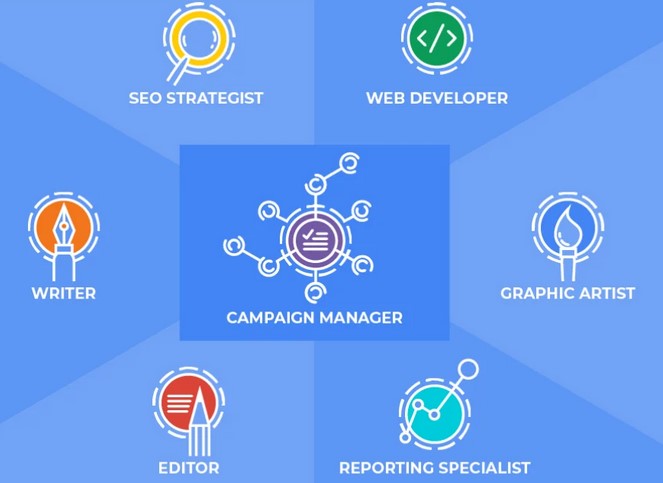
Source:https://firstpagesage.com
Imagine spending six months building what you thought was a world-class creative team, only to realize that every time you sign a new client, your profit margins actually shrink. I’ve seen it happen to brilliant founders more times than I can count. They have the talent, the drive, and the clients, but they are operating on a flawed blueprint.
In my decade of navigating the business services sector, I’ve learned that an agency isn’t just a group of people doing work for others—it’s a high-stakes engineering project. If the foundation is off by even a few degrees, the whole skyscraper leans when the wind of scaling starts to blow.
Whether you are looking to start your own firm or trying to understand why your current one feels like a chaotic “hamster wheel,” this agency model breakdown will peel back the curtain on how these machines actually function under the hood.
The “Kitchen” Analogy: What is an Agency, Really?
To understand an agency, think of a high-end restaurant.
The Account Managers are the waiters—they manage the relationship, set expectations, and ensure the “guest” is happy. The Creative/Technical Team are the chefs in the back, focused purely on the craft and the output. Finally, the Operations/Leadership are the restaurant owners, making sure the ingredients are bought at the right price and the rent is paid.
In a bad agency model, the chef is trying to wait tables while the waiter is trying to cook. This “role blur” is the number one killer of profitability for beginners and intermediate owners alike.
1. The Core DNA: Common Agency Business Models
Before we talk about desks and software, we have to talk about how the money flows. In this agency model breakdown, we categorize models based on their delivery and billing structures.
The Traditional “Full-Service” Model
This is the “Department Store” of agencies. They do everything—SEO, PR, Creative, and Web Dev.
-
The Benefit: High client retention because you are a “one-stop-shop.”
-
The Risk: It’s incredibly difficult to maintain excellence across every service. I’ve found that full-service agencies often struggle with overhead bloat because they need to hire specialists for a dozen different niches.
The Specialized “Boutique” Model
Boutiques do one thing (e.g., only Facebook Ads for E-commerce) and they do it better than anyone else.
-
The Benefit: You can charge a premium because you are an expert, not a generalist.
-
Technical Edge: Your Standard Operating Procedures (SOPs) become highly refined, allowing for better profit margins.
The Productized Service Model
This is the newest trend I’ve observed. Instead of custom quotes, you sell “packages” (e.g., “4 Blog Posts per month for $2,000”).
-
The Benefit: It makes sales and scaling predictable.
-
The Challenge: It lacks the flexibility that high-ticket enterprise clients often demand.
2. Breaking Down the Internal Hierarchy
The structure of your team dictates the speed of your delivery. Most successful agencies follow a variation of the “Pod” system or the “Departmental” system.
The Departmental Structure
This is the classic corporate setup. All designers report to a Head of Design; all writers report to a Head of Content.
-
Best for: Deep technical excellence and consistent quality control.
-
The Downside: Communication “silos.” If the SEO team doesn’t talk to the Web Dev team, the client gets a beautiful website that nobody can find on Google.
The Pod Structure (The “Squad” Model)
I personally prefer this for scaling. A “Pod” consists of one Account Manager, one Designer, and one Strategist who work together on a specific group of clients.
-
Why it works: It creates a “mini-agency” feel. The team knows the client’s brand inside and out, leading to faster turnaround times and higher client lifetime value (LTV).
3. The Financial Engine: Pricing and Profitability
If you don’t understand your utilization rate, your agency is a ticking time bomb. This is a technical metric I track religiously.
Utilization Rate Formula: >
$$\text{Utilization Rate} = \left( \frac{\text{Billable Hours}}{\text{Total Available Hours}} \right) \times 100$$
In my experience, a healthy agency should aim for a 60-70% utilization rate across the entire team. If it’s 90%, your team is burning out. If it’s 40%, you are overstaffed and losing money.
Common Billing Structures:
-
Hourly Billing: Fair, but it penalizes you for being fast and efficient.
-
Retainers: The “Holy Grail.” Predictable monthly income that allows you to plan your hiring.
-
Performance-Based: High risk, high reward. You get paid based on the leads or sales you generate. Warning: Only do this if you have total control over the client’s sales funnel.
4. The Growth Lifecycle: From Freelancer to Agency
Most people start as a “Freelancer with a helper.” The jump to a true agency happens when the founder stops being the “Primary Doer” and starts being the “Primary Designer of Systems.”
-
Phase 1 (The Hustle): Founder does 80% of the work.
-
Phase 2 (The Tipping Point): The founder hires their first full-time Account Manager. This is the most dangerous phase—your profits will dip because you are paying a salary for someone who doesn’t “produce” the craft, but manages the flow.
-
Phase 3 (The Machine): The founder focuses on Business Development and Culture, while the systems handle the client work.
5. Expert Advice: The “Hidden” Growth Killers
I’ve sat in rooms with agency owners doing $5M in revenue who were taking home less profit than they did when they were solo. Why? Scope Creep and Service Drag.
-
Scope Creep: Doing “just one extra thing” for a client for free. Over a year, this can eat 15% of your profit.
-
Service Drag: Offering services that are “high-touch” but “low-margin” just to keep a client happy.
Tips Pro: The “Rule of Three”
Never let a single client represent more than 25-30% of your total revenue. If they leave, and you have to fire half your staff, you don’t have a business—anda you have a dangerous dependency. Diversification is your best insurance policy.
6. Future-Proofing Your Agency Model
The rise of AI and automation is shifting the agency model breakdown from “selling hours” to “selling outcomes.”
Ten years ago, you could charge $5,000 for a basic set of brand guidelines. Today, AI can do that in seconds. The modern agency structure must focus on Strategic Consulting and Complex Integration—things that require human empathy and high-level problem-solving.
-
LSI Keywords to watch: Resource allocation, Client churn rate, Capacity planning, and Value-based pricing.
Conclusion: Designing Your Blueprint
Understanding the agency model breakdown is about more than just drawing boxes on an org chart. It’s about creating a sustainable ecosystem where your team can thrive, your clients can grow, and your business remains profitable.
If you are just starting, don’t try to be everything to everyone. Pick a niche, master your SOPs, and watch your utilization rates like a hawk.
What does your current structure look like? Are you a “One-Man-Army” or are you struggling with the transition to a Pod system? Drop a comment below or send me a message—I’d love to help you diagnose your structural bottlenecks.
If you found this deep-dive valuable, consider sharing it with a fellow founder who is currently “stuck in the weeds” of their service business.