


Using Location-Based Offers to Drive Foot Traffic
Source:https://www.marketingevolution.com
Three years ago, I sat in a bustling downtown coffee shop with a frustrated retail client. Her artisanal bakery was located just 50 yards off the main shopping avenue. Thousands of potential customers walked past the main intersection daily, completely oblivious to the fresh croissants sitting on her counters.
We spent the afternoon watching foot traffic bypass her street. Then, we launched a simple targeted push notification: a 15% discount on warm pastries sent directly to smartphones within a 300-meter radius between 8:00 AM and 10:00 AM.
Within 48 hours, morning walk-in sales leaped by 28%.
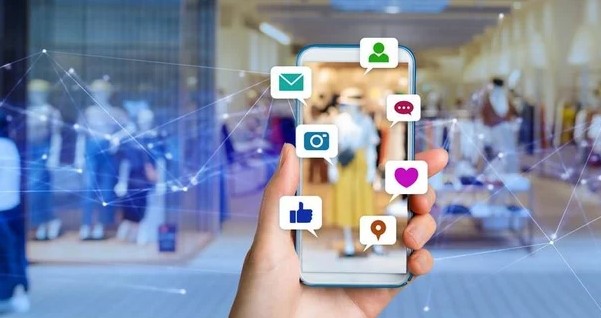
That experience highlighted a reality every brick-and-mortar business must face today: physical location is no longer just about geography—it’s about digital proximity. In an era where shoppers constantly stare at their screens while walking down the street, mastering location-based offers is the single most effective way to turn digital impressions into physical footsteps.
The Proximity Engine: How Location-Based Offers Really Work
For beginners, location-based marketing can feel like magic, but under the hood, it’s purely intelligent data mapping. At its core, location-based marketing uses real-time mobile GPS, cellular data, Wi-Fi connections, or Bluetooth signals to deliver promotional content to users who enter a specific geographic boundary.
Think of location-targeting like a digital town crier. Instead of standing on a wooden box shouting discounts to everyone in the market square (most of whom aren’t interested), your digital crier taps only the people walking directly past your front door on the shoulder and whispers a personalized invitation right when they are hungry, tired, or ready to shop.
[ Customer Enters Geofence Zone ] ──> [ Trigger Real-Time Notification ] ──> [ Store Visit & Conversion ]
The Three Core Technologies You Need to Know
To implement location-based promotions effectively, you don’t need a degree in software engineering, but you do need to understand your infrastructure options:
-
Geofencing (GPS-Based): Creates a virtual boundary around a specific geographic area using satellite data. Perfect for targeting competitors’ locations or entire shopping districts.
-
Beacons (Bluetooth Low Energy): Small hardware devices placed inside your physical store. They offer hyper-accurate proximity tracking down to a specific aisle or display shelf.
-
Wi-Fi Footprint Marketing: Captures opted-in users when they connect to guest Wi-Fi networks in your store or commercial complex, triggering follow-up offers when they return nearby.
1. Geofencing Competitors: Stealing Foot Traffic at the Decision Point
One of the most aggressive and high-converting strategies I’ve executed over the past decade is competitive geofencing (often referred to as “geo-conquesting”).
Instead of drawing a circle around your own store, you draw virtual perimeters around your direct competitors. When a customer walks into or nears a competitor’s location, your app or ad network delivers a compelling counter-offer to their device.
Pro Tip: Never offer a generic discount when conquesting competitors. Offer an immediate, friction-free alternative. For example: “Tired of waiting in line? Get a free iced coffee at [Your Brand], just 2 minutes away around the corner!”
┌─────────────────────────────────────────┐
│     Competitor Store (Geofence Zone)    │
│                 [ User ]                │
└────────────────────┬────────────────────┘
                     │ (Triggers Notification)
                     ▼
  "Skip the wait! 20% Off at [Your Brand]
            Just 100 meters away!"
2. Timing Is Everything: Pairing Proximity with Contextual Intent
Sending a location-based notification at the wrong time is worse than sending no offer at all. It annoys potential buyers and leads to app uninstalls or ad fatigue. Location tells you where the customer is; context tells you what they need right now.
During a project with a boutique fashion retailer, we initially set our geofence to run 24/7. Results were underwhelming. The breakthrough came when we aligned our push notifications with local weather data and peak commuting hours.
| Customer Location | Context Trigger | Offer Strategy | Conversion Rate Impact |
| Near Transit Hubs | Morning Commute (7 AM – 9 AM) | Quick grab-and-go breakfast bundles | +18% Redemptions |
| Shopping District | Rainy Weather Detected | “Stay dry! Enjoy $5 off hot drinks indoors” | +32% Walk-ins |
| Competitor Mall | Lunch Hour (12 PM – 2 PM) | Flash 1-hour dine-in discount | +24% Table Turnover |
When you blend location precision with real-time customer intent, your offers feel less like invasive marketing and more like helpful recommendations.
3. High-Converting Offers That Drive In-Store Footprint
Not all promotions move the needle equally. A common rookie mistake is offering generic percentage discounts that lack urgency. To turn a mobile user from a passive browser into an active walk-in customer, your offer structure must leverage scarcity and proximity.
Battle-Tested Offer Templates:
-
The Radius Flash Sale: “You are within 500 feet of our store! Show this screen in the next 30 minutes for a free gift with any purchase.”
-
The Micro-Convenience Incentive: “Parking on us! Get $5 off your total receipt when you visit us on Main Street today.”
-
The Exclusive In-Store Perk: “Claim your app-exclusive reward in-store only. Tap to unlock your secret discount at the counter.”
Notice how every template requires physical presence and emphasizes immediate action.
4. Avoiding Common Pitfalls: Privacy and Over-Saturating Your Audience
In my decade of marketing execution, I’ve seen promising location campaigns collapse due to poor boundary configuration or intrusive messaging strategies. Respecting user preference is vital for long-term customer retention.
The “Geofence Fatigue” Trap
Do not set your geofence radius too wide, and never message the same user multiple times a day. If your virtual fence covers an entire city, your offer loses its sense of immediate proximity. Keep your geofence tight—usually within a 5-to-10-minute walk or drive—and cap frequency to 1 notification per user every 72 hours.
Furthermore, always ensure strict compliance with local data privacy regulations (such as GDPR or CCPA). Transparent opt-in screens that explain why location data enhances user experience are critical to building trust.
5. Measuring Success: Metrics That Actually Matter
If you only measure digital impressions and click-through rates (CTR), you are missing the complete picture. The true value of location-based offers lies in offline conversion metrics.
To validate your return on investment (ROI), track these three metrics relentlessly:
-
Cost Per Walk-In (CPW): Total campaign spend divided by the number of verified physical store visits measured within the attribution window.
-
Lift Rate: The percentage increase in foot traffic from targeted users compared to a control group that did not receive the location-based offer.
-
In-Store Ticket Size: Compare the average spend of location-offer redeemers against organic walk-in customers to ensure profitability.
Turn Proximity Into Profit Today
Bridging the gap between the digital screens in your customers’ hands and the physical doors of your business doesn’t require massive corporate budgets. It requires intentional targeting, sharp timing, and clear incentives.
When you harness location intelligence, you stop competing blindly for online attention and start converting high-intent local shoppers who are already standing right outside your business.