


Coaching and Mentoring: Key Techniques That Drive Growth
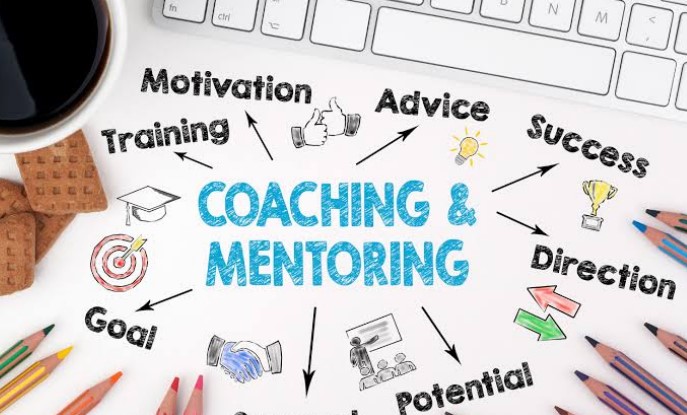
Source:https://www.mentoringcomplete.com
A few years into my executive management journey, I was assigned to manage a senior developer named Alex. On paper, he was brilliant. In reality, he was missing every major milestone, causing delays that rippled across our entire division.
My initial instinct was to step in, take control, and give him an exact step-by-step checklist to follow. It failed miserably. The more instructions I gave him, the more disengaged he became.
It wasn’t until I changed my operational framework—moving away from micro-managing instructions toward deliberate questioning—that everything turned around. Within six months, Alex wasn’t just hitting deadlines; he was leading our architectural redesign.
In over a decade of building high-performance teams, I’ve learned that raw talent without structural guidance is simply unrealized potential. Mastering effective coaching and mentoring techniques is the single highest-leverage investment a leader can make to unlock team performance and scale organizational growth.
The Driver vs. The Navigator: Coaching vs. Mentoring
Before diving into execution, we must clear up a constant corporate misconception: coaching and mentoring are not the same tool. Confusing them is like using a screwdriver to turn a bolt.
Think of executive development like learning to rally race:
-
The Coach (Performance Focus): Sitting in the driver’s seat while you sit beside them, asking, “What angle are you taking on this next turn?” or “What happens if your tires lose traction here?” The coach doesn’t take the wheel. They use questioning to sharpen your real-time execution and skill building.
-
The Mentor (Career & Wisdom Focus): Sitting with you after the race with a map, sharing, “I ran this exact mountain course five years ago during a heavy storm. Here is where the hidden hazards are, and here is how I navigated the long game.”
Both roles are critical, but they operate on completely different tactical timelines.
Strategic Comparison: Alignment of Purpose
Deploying the right approach at the wrong time leads to operational friction. Use this comparative matrix to align your guidance with your team member’s immediate needs:
+-------------------+-----------------------------------+------------------------------------+
| Core Dimension    | Professional Coaching             | Executive Mentoring                |
+-------------------+-----------------------------------+------------------------------------+
| Core Goal         | Skill acquisition & performance   | Long-term career & leadership growth|
| Primary Mechanism | Powerful questions & self-discovery| Wisdom transfer & advisory sharing |
| Relationship Type | Task-driven & performance-focused | Relationship-driven & holistic     |
| Timeline          | Short to medium-term (defined goals)| Long-term & open-ended             |
+-------------------+-----------------------------------+------------------------------------+
Core Pillars of High-Impact Coaching and Mentoring Techniques
To build a sustainable development architecture inside your business, rely on these foundational pillars:
1. The GROW Coaching Framework
Developed by Sir John Whitmore, the GROW model remains the gold standard for performance coaching. It guides conversations away from emotional venting toward structured action:
-
Goal: What do you specifically want to achieve in this session or project?
-
Reality: What is happening right now? What obstacle is standing in your way?
-
Options: What could you do? What alternative routes haven’t you explored yet?
-
Will/Way Forward: What specific steps will you take, and by when?
2. Socratic Questioning over Direct Advising
The fastest way to kill employee initiative is to give immediate answers. When a team member asks, “How should I solve this customer escalation?” resist the urge to answer.
Instead, ask: “What are three potential paths you’ve evaluated, and which one carries the lowest risk?” This shifts their brain from passive execution to active problem-solving.
3. Active Listening and the 80/20 Rule
In effective developmental sessions, the person being guided should do 80% of the talking. The guide’s job is to listen for hidden assumptions, limiting beliefs, and unstated structural bottlenecks.
-
Focus on: Paraphrasing, reflecting back key statements, and maintaining psychological safety.
-
LSI Terms: Active listening, 360-degree feedback, emotional intelligence (EQ), developmental feedback.
A Scannable Roadmap: Constructing a High-Yield Mentorship Session
Whether you are running formal internal mentorship programs or informal 1-on-1s, structure your sessions so they drive real accountability:
-
Phase 1: Clear the Runway (5 Mins). Check in on personal well-being and review action items committed to during the previous meeting.
-
Phase 2: Define the Focus (10 Mins). Identify the singular topic for the session (e.g., navigating a difficult stakeholder, career progression, or mastering delegation).
-
Phase 3: Deep Exploration (25 Mins). Use open-ended questions to dissect the problem, explore alternative perspectives, and challenge underlying assumptions.
-
Phase 4: Commit to Execution (10 Mins). Have the mentee summarize their key insights and state their concrete commitments before the next call.
Expert Advice: Pro-Tips & Hidden Traps
Pro-Tip: Implement “Reverse Mentoring.” Pair junior digital natives with senior executives to share perspectives on emerging tech, operational friction, and shifting workplace dynamics. It breaks down siloed corporate hierarchies, accelerates organizational learning, and gives executives unfiltered insights into frontline challenges.
Avoid the “Rescuer Trap.” When you see a direct report struggling with a project, it is tempting to jump in, take over the work, and fix it yourself. Doing so creates institutional dependency, destroys trust, and signals to your team that you don’t believe in their capacity to solve hard problems.
Sustainable Leadership Drives Sustainable Scale
Integrating proven coaching and mentoring techniques into your organizational culture isn’t a soft HR initiative—it is a core business growth strategy.
When you shift your leadership team from directive managers into active coaches and strategic mentors, you stop being the operational bottleneck for every decision. You build an organization of autonomous, high-agency individuals who can solve complex challenges without waiting for permission.