


Monthly Archives: December 2025
Inbound Marketing Tactics That Attract and Convert
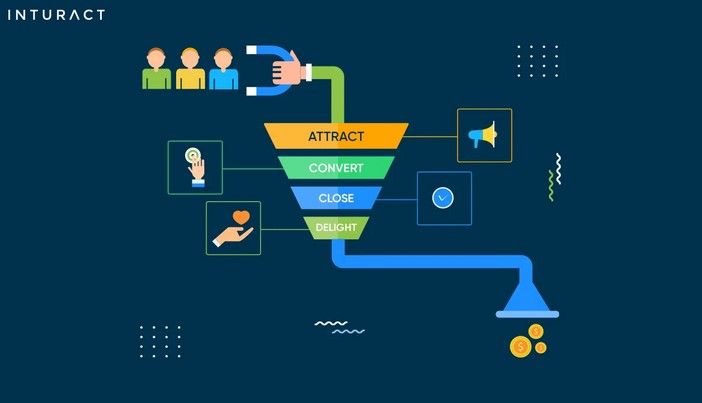
Source:https://www.inturact.com
In the digital age, attracting and converting customers has become more sophisticated than ever. Traditional marketing methods like cold calls, interruptive ads, and direct mail are increasingly ineffective in a world where consumers have the power to filter out unwanted messages. This is where inbound marketing tactics come into play. Inbound marketing is a strategy that focuses on creating valuable content and experiences that naturally attract potential customers to your business, rather than forcing your message on them. By providing helpful, informative, and engaging content, inbound marketing helps establish trust with your audience, guide them through the buyer’s journey, and ultimately convert them into loyal customers. In this article, we will explore several powerful inbound marketing tactics that can attract, engage, and convert prospects into long-term clients.
Understanding Inbound Marketing and Why It Works
At its core, inbound marketing is about building relationships with your customers over time. It differs from traditional marketing by focusing on earning the attention of potential customers rather than buying it. Through inbound marketing, businesses can establish themselves as trusted authorities in their industry, creating a strong online presence that encourages organic growth.
The key to inbound marketing’s success lies in understanding your customers’ needs, providing them with the right content at the right time, and nurturing them through their buying decision process. By attracting visitors with high-quality content and strategically engaging with them throughout their journey, businesses can convert leads into customers and ultimately turn those customers into advocates.
For businesses to effectively use inbound marketing tactics, it’s important to focus on three core stages: attracting visitors, engaging with them, and delighting them to encourage conversion and long-term loyalty.
Effective Inbound Marketing Tactics for Attracting and Converting
1. Content Creation and Blogging
One of the most powerful inbound marketing tactics is content creation, particularly through blogging. Blogging not only provides value to your audience but also boosts your search engine rankings, making it easier for prospects to find you online. By consistently publishing high-quality, informative content related to your industry, you can position your business as an expert and trusted resource in your field.
Action Steps:
- Start by identifying topics that your target audience is interested in or challenges they are facing. These could be questions, how-tos, or insights related to your industry.
- Focus on creating long-form, evergreen content that answers these questions thoroughly, providing value to your readers.
- Optimize each blog post for SEO by including relevant keywords, using appropriate meta descriptions, and linking internally to other related posts on your site.
The more valuable content you provide, the more likely you are to attract visitors to your website and convert them into leads. Additionally, having a blog allows you to engage with your audience regularly, building a stronger relationship over time.
2. Lead Magnets and Email Campaigns
Once you’ve attracted visitors to your website through valuable content, the next step is to convert them into leads. This can be achieved through lead magnets, which are incentives offered in exchange for a visitor’s contact information (such as an email address). Common examples of lead magnets include eBooks, whitepapers, webinars, templates, and checklists.
Action Steps:
- Create high-value lead magnets that solve a specific problem for your target audience. Ensure that the content is relevant to the blog post or landing page visitors are viewing.
- Use clear and compelling calls-to-action (CTAs) to encourage visitors to download your lead magnet. Place CTAs strategically throughout your site, such as at the end of blog posts or in pop-up forms.
- Once you’ve gathered leads, nurture them with personalized email campaigns. Use segmentation to send tailored content based on where they are in the buyer’s journey, and provide additional resources that will help them move closer to making a purchase decision.
Email campaigns that are personalized, timely, and relevant help keep your leads engaged, increasing the chances of conversion. By offering value through educational content and exclusive offers, you can establish trust and move prospects through your sales funnel.
3. Social Media Marketing and Engagement
Social media is a powerful tool for inbound marketing as it allows businesses to interact directly with their audience. Not only can you share your content and engage with followers, but social platforms also provide an opportunity to listen to your audience and gather valuable feedback.
Action Steps:
- Choose the social media platforms that are most relevant to your audience. For example, LinkedIn may be ideal for B2B businesses, while Instagram or Pinterest might be more effective for visually-oriented brands.
- Share your blog posts, infographics, videos, and other content to drive traffic to your website. Don’t just post promotional material—engage with your audience by asking questions, running polls, and responding to comments.
- Leverage social media advertising to further amplify your reach. Paid ads on platforms like Facebook, Instagram, or LinkedIn can help you target specific demographics, driving traffic to your website or lead capture pages.
Social media isn’t just about broadcasting your message; it’s about creating a conversation with your audience. When used strategically, it can amplify your inbound marketing efforts and foster deeper connections with your audience.
4. Search Engine Optimization (SEO)
SEO is essential for ensuring your content gets discovered by the right people. Without SEO, even the best content can go unnoticed. Optimizing your website and blog posts for search engines ensures that your content ranks higher in search results, making it easier for prospects to find you when they search for information related to your products or services.
Action Steps:
- Conduct keyword research to identify the phrases and terms your target audience is searching for. Tools like Google Keyword Planner, SEMrush, or Ahrefs can help you discover valuable keywords.
- Optimize your on-page SEO by incorporating your target keywords in key areas such as titles, headers, meta descriptions, and image alt text.
- Focus on improving user experience (UX) by ensuring your website is fast, mobile-friendly, and easy to navigate. Google rewards websites that provide a positive UX with higher rankings.
SEO is a long-term strategy, but when executed correctly, it can significantly increase the organic traffic to your website, providing a consistent stream of potential leads.
5. Customer Reviews and Testimonials
Finally, one of the most effective ways to convert prospects into customers is through social proof. Customer reviews, testimonials, and case studies build trust and credibility by showcasing your success stories and the positive experiences of past clients.
Action Steps:
- Encourage happy customers to leave reviews on platforms such as Google, Yelp, and Trustpilot. Feature these reviews prominently on your website and landing pages.
- Create in-depth case studies that highlight how your product or service helped solve a customer’s problem. Share these case studies on your blog, email campaigns, and social media.
- Use video testimonials for an added layer of authenticity and engagement. Video allows prospects to connect more personally with your satisfied customers.
Social proof is a powerful tool in the conversion process. When potential customers see that others have had positive experiences with your brand, they are more likely to trust you and move forward with a purchase.
Incorporating effective inbound marketing tactics into your overall marketing strategy is essential for attracting, engaging, and converting leads into loyal customers. From content creation and lead magnets to social media marketing and SEO, the tactics discussed in this article provide a comprehensive approach to inbound marketing that will help your business build relationships with your target audience and guide them through the buyer’s journey. By focusing on creating value and nurturing trust, inbound marketing allows businesses to attract qualified prospects, increase conversion rates, and foster long-term customer loyalty.
Smart Inventory Management Tips for Small Businesses

Source:https://www.scnsoft.com
Effective inventory management is crucial for small businesses, as it directly impacts cash flow, customer satisfaction, and overall profitability. For small business owners, balancing stock levels to meet demand without over-purchasing can be challenging. To help navigate this complexity, following strategic inventory management tips can make a significant difference. By implementing the right techniques and tools, small businesses can optimize their inventory, reduce excess stock, and ensure they are prepared to meet customer needs efficiently. In this article, we will discuss several smart inventory management tips that will help small businesses maintain a well-organized and cost-effective inventory system.
The Importance of Efficient Inventory Management
Good inventory management is not just about having the right products on hand; it’s about having the right processes and systems in place to track and manage stock. Effective inventory management ensures that businesses are neither overstocked nor understocked, which can lead to lost sales or excess storage costs. Small businesses often face unique challenges with inventory management, such as limited storage space, fluctuating demand, and cash flow constraints. However, by focusing on smart strategies and leveraging available tools, small business owners can better handle these challenges.
Efficient inventory management also enables businesses to keep track of trends, identify slow-moving items, and avoid the problem of obsolete or expired stock. Moreover, it can provide a clear overview of your business’s financial health by showing how much capital is tied up in inventory, and how much stock is being turned over on a regular basis. With these insights, small businesses can make more informed decisions about pricing, ordering, and promotions.
Smart Inventory Management Tips for Small Businesses
1. Use Inventory Management Software
One of the most effective ways to streamline inventory management is by adopting inventory management software. Manual tracking systems, such as spreadsheets, are prone to human error and can be time-consuming. Inventory management software, on the other hand, automates many aspects of tracking, including stock levels, order statuses, and reordering points.
Action Steps:
- Choose a software solution that fits your business needs and budget. Many software options offer features such as barcode scanning, real-time tracking, and inventory alerts. Popular options include TradeGecko, Square for Retail, and Zoho Inventory.
- Use software that integrates with your other business tools (such as accounting or point-of-sale systems) to streamline operations and improve data accuracy.
- Regularly update and maintain the software to ensure that it reflects your current stock levels and sales.
By using inventory management software, small businesses can save time, reduce errors, and make more accurate predictions about future stock needs.
2. Implement the Just-In-Time (JIT) Method
The Just-In-Time (JIT) inventory management method is a strategy designed to keep inventory levels as low as possible while ensuring that you still meet customer demand. This method relies on precise ordering and delivery systems to receive goods only when they are needed for sale or production.
Action Steps:
- Work closely with your suppliers to establish reliable and efficient delivery schedules, ensuring you have a steady flow of products without overstocking.
- Forecast demand based on historical sales data, seasonal trends, and market research to minimize stockpiling.
- Create buffer stocks for essential items that may experience fluctuations in demand or have long lead times.
By implementing JIT, small businesses can reduce storage costs and free up cash flow, while still being able to fulfill customer orders in a timely manner.
3. Conduct Regular Inventory Audits
Regular inventory audits are essential for ensuring that your stock levels are accurate and that there are no discrepancies between your physical inventory and what’s recorded in your system. This will help identify issues such as theft, misplacement, or product expiration, which can cause unnecessary losses.
Action Steps:
- Conduct physical counts of inventory on a scheduled basis (monthly, quarterly, or annually). If your inventory is large, consider doing a cycle count, where a small portion of the inventory is counted each day or week.
- Use barcode scanners or RFID tags to streamline the counting process and improve accuracy.
- Reconcile audit results with your inventory records in the software to detect any discrepancies and address them promptly.
Regular audits help businesses maintain accurate inventory records, reduce errors, and improve overall efficiency in inventory management.
4. Categorize Your Inventory Using the ABC Method
The ABC method of inventory categorization divides inventory into three categories based on their value and usage. This helps small businesses prioritize their stock based on importance and demand, allowing for smarter purchasing and stock allocation decisions.
- A-Items: High-value items that are sold in smaller quantities. These items should be closely monitored, and stock levels should be kept to a minimum.
- B-Items: Medium-value items with moderate sales frequency. These require less frequent stock replenishment but should still be tracked regularly.
- C-Items: Low-value items that are sold in large quantities. These items can be stocked in larger volumes since their overall value is lower.
Action Steps:
- Analyze your sales data to determine which items fall into each category.
- Allocate more time and resources to managing A-items, as they contribute more significantly to revenue.
- For C-items, consider bulk purchasing to take advantage of lower unit costs and reduce the frequency of orders.
This inventory categorization system ensures that your resources are used efficiently, and that high-value items are always in stock when needed, while reducing unnecessary storage costs for lower-value items.
5. Forecast Demand and Plan for Seasonal Changes
Demand forecasting is a key aspect of inventory management, particularly for businesses with seasonal products or fluctuating demand patterns. Accurate forecasting allows businesses to anticipate peak periods, such as holidays or special promotions, and ensure they have enough stock on hand to meet customer demand.
Action Steps:
- Use historical sales data to identify patterns and trends in customer demand. This could include spikes during specific months or around special events.
- Stay aware of industry trends and any external factors (such as economic conditions or weather) that may impact demand.
- Collaborate with suppliers to ensure timely deliveries during peak demand periods.
By forecasting demand accurately, businesses can optimize inventory levels, avoid overstocking, and ensure that they are able to meet customer needs during busy periods.
Effective inventory management tips are essential for small businesses looking to optimize their operations and ensure profitability. Whether it’s through adopting inventory management software, implementing the Just-In-Time method, or conducting regular audits, each strategy plays a crucial role in maintaining a smooth and efficient inventory system. By using these smart inventory management practices, small businesses can not only reduce excess costs but also improve customer satisfaction by ensuring that products are always available when needed. Ultimately, strategic inventory management enables small businesses to remain competitive, agile, and poised for long-term success.
Conducting Competitive Landscape Analysis Strategically

Source:https://speakai.co
In today’s hyper-competitive business environment, staying ahead of the competition is not just a necessity, but a strategic advantage. One of the most critical tools that businesses use to understand their position in the market is competitive landscape analysis. This analysis helps businesses identify the strengths, weaknesses, opportunities, and threats posed by their competitors. By conducting a thorough competitive landscape analysis, organizations can make informed decisions, develop effective strategies, and ultimately gain a competitive edge. In this article, we will explore how to conduct competitive landscape analysis strategically, covering key steps, best practices, and how to apply the insights gained to drive business growth.
Understanding Competitive Landscape Analysis
A competitive landscape analysis involves examining the competitive environment within which your business operates. It entails studying both direct and indirect competitors, understanding market trends, customer behaviors, and evaluating the strengths and weaknesses of key players in your industry. The goal of this analysis is to provide insights into how well your business is performing relative to competitors, what strategies are driving competitor success, and where there are gaps in the market that can be capitalized on.
By strategically analyzing the competitive landscape, businesses can uncover valuable information that shapes product development, marketing tactics, pricing strategies, and overall business positioning. This process allows companies to refine their strategies and align them with market demands, ultimately enabling them to respond more quickly and effectively to changes in the competitive environment.
Steps to Conduct Competitive Landscape Analysis
1. Identify Key Competitors
The first step in any competitive landscape analysis is identifying your key competitors. This can be broken down into two categories:
- Direct Competitors: These are businesses offering products or services that are almost identical to yours and target the same customer base. For example, if you sell running shoes, direct competitors would be other companies in the footwear industry selling running shoes.
- Indirect Competitors: These companies offer different products or services but fulfill similar customer needs or desires. For example, a company selling fitness equipment might be considered an indirect competitor to your running shoe business.
It’s crucial to take both types of competitors into account to get a full understanding of the competitive landscape. Direct competitors pose a more immediate threat, but indirect competitors can also shift consumer behavior and impact your market share.
2. Analyze Competitor Products and Services
Once you’ve identified your key competitors, the next step is to assess their products and services. This involves evaluating the quality, features, pricing, and value proposition of their offerings compared to yours. By understanding how your products or services differ from those of competitors, you can uncover opportunities for differentiation or areas where you may need to improve.
Action Steps:
- Compare product features, benefits, and innovations.
- Analyze the pricing strategies of competitors.
- Evaluate customer feedback on competitors’ products through reviews, ratings, and testimonials.
This competitive product analysis helps businesses understand their position in the market and pinpoint areas where they can add more value or adjust their offerings to better meet customer needs.
3. Evaluate Marketing Strategies
A key aspect of any competitive landscape analysis is evaluating the marketing strategies employed by your competitors. This includes their online presence, advertising methods, content strategies, and customer engagement tactics. By observing how competitors promote themselves and attract customers, you can identify successful marketing channels, as well as any weaknesses in their approach that could be leveraged.
Action Steps:
- Conduct a competitive audit of competitors’ websites, blogs, and social media profiles.
- Examine their SEO strategy, keyword usage, and content marketing tactics.
- Analyze their customer engagement techniques, including email campaigns, loyalty programs, and influencer partnerships.
Understanding the marketing strategies of competitors will help you identify gaps in your own marketing plan and allow you to better position your business for success.
4. Assess Competitor Strengths and Weaknesses
A critical part of competitive landscape analysis is to conduct a SWOT (Strengths, Weaknesses, Opportunities, and Threats) analysis of your competitors. This will help you understand their key advantages, potential vulnerabilities, and the external factors influencing their performance.
Action Steps:
- Identify the core strengths of your competitors, such as superior customer service, innovative products, or a strong brand presence.
- Determine their weaknesses, such as poor online reviews, limited distribution channels, or a lack of product innovation.
- Evaluate external factors, such as changes in the economy, technological advancements, or regulatory shifts, that could impact their performance.
By understanding where competitors excel and where they struggle, you can leverage these insights to craft strategies that take advantage of their weaknesses or counter their strengths.
5. Monitor Market Trends and Consumer Behavior
Finally, to complete your competitive landscape analysis, it’s essential to track broader market trends and shifts in consumer behavior. This could include changes in customer preferences, technological advancements, regulatory changes, and economic conditions that may affect the competitive environment.
Action Steps:
- Use market research reports, industry publications, and online tools to track emerging trends.
- Monitor consumer behavior through social media, surveys, and focus groups.
- Stay updated on economic factors, such as inflation or shifts in disposable income, that could impact purchasing decisions.
Understanding the broader market forces at play will help you anticipate future trends, adjust your strategies accordingly, and remain competitive in a constantly evolving market landscape.
Best Practices for Leveraging Competitive Insights
Once you’ve gathered all the data from your competitive landscape analysis, the next step is to use these insights to inform strategic decisions. Here are a few best practices for leveraging competitive insights:
- Refine Your Value Proposition: Use your competitive analysis to clearly define what makes your products or services unique. This can help you strengthen your value proposition and differentiate yourself from competitors.
- Innovate and Differentiate: Look for areas where competitors are lacking or where market demand is not being fully met. This could provide opportunities for innovation, product improvement, or differentiation.
- Enhance Customer Experience: Customer experience is a key differentiator in most industries. Use insights from your analysis to improve the customer journey, offering better service, convenience, or personalization than your competitors.
- Adapt to Changes: Competitive landscape analysis is not a one-time exercise; it should be conducted regularly. Markets and competitors change, so it’s important to keep monitoring the competitive landscape to stay ahead.
In an increasingly competitive business environment, conducting competitive landscape analysis strategically is essential for maintaining market relevance and driving long-term growth. By identifying key competitors, analyzing their products and marketing strategies, assessing their strengths and weaknesses, and monitoring market trends, businesses can make more informed decisions, spot opportunities for differentiation, and optimize their performance. With a continuous focus on the competitive landscape, companies can stay agile, innovate in response to changing market dynamics, and position themselves for sustained success in their industry.
Cash vs Margin Trading: Key Differences Every Trader Should Know
In the world of financial markets, understanding the various ways to trade is essential for building confidence and avoiding costly mistakes. Two commonly used approaches are cash trading and margin trading. While both methods allow you to buy and sell financial instruments, they operate under very different mechanics. For new and experienced traders alike, knowing the differences can be the foundation for smarter decision-making and better risk management.
This article explores the fundamentals of cash trading and margin trading, clarifies how they work, compares their advantages and risks, and offers practical insights to help you decide which style aligns with your objectives and risk tolerance.
What Cash Trading Is
At its core, cash trading involves using your own funds to buy and sell securities or other financial assets. When you engage in cash trading, your buying power is limited to the amount of money you have available in your trading account. There is no borrowing of additional capital from a broker.
This concept may seem straightforward, but it carries substantial implications for how you manage your portfolio. For example, you cannot buy more than your account balance allows. You pay the full price of the asset at the time of purchase, and settlement occurs according to the rules of the market you are trading in.
If you want a clear understanding of the term itself, exploring a detailed definition can help. Reading about cash trading meaning can provide additional context and examples that make the concept even more accessible.
The Mechanics of Margin Trading
Margin trading, by contrast, allows you to borrow money from your broker to amplify your trading position. The broker lends you funds so that you can increase your buying power beyond your current cash balance. This borrowed amount is called leverage, and it effectively allows you to control a larger position than your own capital would permit.
When you open a margin account, you must deposit a minimum amount of cash or securities as collateral. This is known as the initial margin. The broker will then allow you to borrow up to a specified percentage of the total value of your positions. Common leverage ratios might be 2 to 1 or higher in futures and forex markets, but this depends on the broker and the specific market you are trading.
The goal with margin trading is straightforward. You want the asset to appreciate so that when you sell it, the profit generated on the leveraged amount translates into gains that are greater than what you could achieve with cash alone. However, leverage works both ways. If the market moves against you, losses are also magnified.
Key Differences Between Cash and Margin Trading
Understanding the differences between these two approaches is essential for evaluating which is right for your strategy. The following sections break down the most important contrasts.
Capital Requirements and Leverage
One of the most obvious distinctions between cash and margin trading lies in the capital required to open a position. In cash trading, you are restricted to the funds you have deposited in your account. There is no borrowing.
Margin trading allows you to use leverage. You are effectively borrowing a portion of the capital needed to hold a larger position. This can increase both your potential gains and potential losses.
Risk and Reward Dynamics
The risk and reward profile of each style is shaped by how much leverage is involved. With cash trading, your maximum loss is the amount you invested in the position. If you buy 100 shares of a stock at 50 per share using only your funds, the most you can lose is $5,000 if the stock goes to zero.
With margin trading, your potential loss can exceed your initial investment. If you use leverage and the market moves unfavourably, you may be required to deposit additional funds to maintain your position. This is called a margin call. Brokers can also close your positions automatically to protect the loaned funds, often without notice.
Who Should Consider Each Approach
Deciding whether to trade on cash or on margin depends on your individual goals, experience, and risk tolerance.
Cash trading may be more suitable for beginners, conservative investors, and those focused on long-term growth strategies. Since it eliminates the complexity of borrowed funds, it allows traders to focus on understanding market dynamics and building confidence over time.
Margin trading might be appropriate for experienced traders who understand leverage and are comfortable with rapid price movements. It can be particularly useful in short-term trading strategies where even small price swings can be exploited for profit. However, those who choose margin trading should have a clearly defined risk management plan and be prepared for the possibility of losses that exceed initial expectations.
Conclusion
Understanding the key differences between cash and margin trading helps you make informed choices about how to participate in financial markets. Cash trading relies on your own capital, is simpler to manage, and carries a more limited risk profile.
Margin trading provides the opportunity to amplify returns through leverage but requires careful attention to risk and costs.
Key HR Metrics to Track for Organizational Health

Source:https://www.aihr.com
In today’s data-driven business environment, organizations are increasingly recognizing the importance of tracking human resources (HR) metrics to ensure both employee satisfaction and organizational success. Monitoring key HR metrics to track allows businesses to make informed decisions that drive performance, improve employee engagement, and sustain long-term growth. These metrics provide a clear picture of how well the organization is managing its workforce, helping HR departments optimize operations and align their strategies with overall business goals. In this article, we will discuss the essential HR metrics that organizations should monitor to maintain a healthy and thriving workplace.
The Role of HR Metrics in Organizational Health
HR metrics serve as a vital tool for understanding and managing the dynamics of an organization’s workforce. These metrics help HR professionals and senior management evaluate how effectively the company is attracting, developing, and retaining talent, as well as how well employees are performing. By tracking HR metrics, businesses can identify areas for improvement, spot trends, and make data-driven decisions that benefit both employees and the organization as a whole.
Not only do these metrics reveal valuable insights into employee well-being, but they also help measure the return on investment (ROI) for HR initiatives. When HR metrics are effectively utilized, they can directly contribute to overall business success by improving productivity, reducing turnover, and fostering a positive work environment. To ensure optimal organizational health, it is important to focus on a range of HR metrics that encompass recruitment, performance, engagement, retention, and learning and development.
Essential HR Metrics to Track for Organizational Health
1. Employee Turnover Rate
Employee turnover, both voluntary and involuntary, is one of the most critical HR metrics to track for organizational health. A high turnover rate can indicate potential issues within the organization, such as poor company culture, lack of career growth, or ineffective management practices. Conversely, low turnover rates often suggest high employee satisfaction, effective leadership, and strong retention strategies.
Action Steps:
- Track both overall turnover and voluntary turnover to understand the reasons behind employees leaving.
- Break down turnover rates by department or team to identify problem areas.
- Use exit interviews and surveys to gather insights into why employees are leaving.
Reducing turnover should be a priority for any organization, as high turnover can lead to increased recruitment costs, disruption in team dynamics, and lost knowledge.
2. Employee Engagement and Satisfaction
Employee engagement is a crucial HR metric that directly influences organizational health. Engaged employees are more productive, more likely to stay with the company, and better advocates for your brand. Measuring employee satisfaction and engagement provides valuable insights into the overall morale of your workforce and can highlight areas where improvements are needed.
Action Steps:
- Conduct regular employee surveys to assess job satisfaction, work-life balance, and overall happiness.
- Measure the level of employee engagement through metrics such as participation in company initiatives, involvement in team projects, and overall enthusiasm for work.
- Implement a Net Promoter Score (NPS) survey to gauge whether employees would recommend your organization to others.
A high level of engagement usually correlates with higher productivity and retention rates. Therefore, organizations should continuously assess engagement levels and create strategies to enhance workplace satisfaction.
3. Absenteeism Rate
High absenteeism can indicate problems in the workplace, such as poor morale, burnout, or health issues. Tracking absenteeism rates helps organizations understand how often employees miss work and whether these absences are impacting overall productivity. Frequent absenteeism can also point to underlying organizational problems that need to be addressed.
Action Steps:
- Track the frequency of absenteeism over time to identify patterns and seasonal trends.
- Monitor both planned and unplanned absences to gain a more comprehensive understanding of absentee behavior.
- Investigate whether absenteeism is concentrated in certain departments or teams, and address any potential leadership or organizational culture issues.
Addressing the root causes of absenteeism and creating a culture of wellness and support can help improve employee attendance and organizational performance.
4. Time to Fill and Cost per Hire
For an organization to remain healthy and competitive, attracting and hiring the right talent is essential. “Time to fill” and “cost per hire” are key recruitment metrics that help HR teams assess the efficiency and cost-effectiveness of their hiring process. A long time to fill a position can delay business operations and affect productivity, while a high cost per hire may indicate inefficiencies in the recruitment process.
Action Steps:
- Track the time it takes to fill open positions and identify bottlenecks in the recruitment process.
- Evaluate the cost of hiring, including advertising, recruitment agency fees, and interview costs, and aim to optimize these expenses.
- Assess whether there is a balance between hiring speed and the quality of candidates.
Focusing on streamlining the hiring process and controlling recruitment costs is essential for maintaining operational efficiency and ensuring that your organization is attracting top talent without overspending.
5. Training and Development Metrics
Investing in employee training and development is crucial for maintaining organizational health. Tracking metrics related to training participation, completion rates, and post-training performance can provide valuable insights into the effectiveness of learning and development initiatives. Well-trained employees are more capable, more satisfied with their roles, and less likely to leave the organization.
Action Steps:
- Track the percentage of employees who participate in training programs and the types of programs they complete.
- Measure improvements in employee performance following training sessions.
- Collect feedback from employees to assess the quality and relevance of training programs.
By investing in continuous learning and development, organizations can ensure that their employees remain skilled, motivated, and prepared to meet future challenges.
In today’s fast-paced business environment, tracking the right HR metrics to track is essential for ensuring the health and success of an organization. From turnover rates and employee engagement to absenteeism and recruitment efficiency, these key metrics offer critical insights into the workforce and organizational dynamics. By monitoring and analyzing these HR metrics, businesses can identify areas for improvement, optimize HR processes, and ultimately build a stronger, more effective workforce. Focusing on these metrics will not only improve organizational health but also contribute to long-term business success, employee satisfaction, and retention.
E-Commerce SEO Checklist for Better Online Visibility

Source:https://resources.americaneagle.com
In today’s digital age, having an online store isn’t enough to guarantee success. With millions of e-commerce websites competing for attention, it’s essential to ensure that your online store stands out. One of the most effective ways to do this is through search engine optimization (SEO). An effective e-commerce SEO checklist is critical for improving your website’s search rankings and driving organic traffic. By optimizing your e-commerce site with proven SEO strategies, you can increase your visibility, attract more visitors, and convert them into loyal customers. In this article, we’ll provide an actionable checklist to help you enhance your e-commerce SEO and improve your online visibility.
Understanding the Importance of E-Commerce SEO
Search engine optimization for e-commerce involves a series of practices that help your online store rank higher in search engine results. This is crucial because the higher your website ranks, the more likely it is that potential customers will discover your store when they search for relevant products.
When done right, SEO can lead to more organic traffic, higher sales, and long-term growth for your e-commerce business. But achieving high rankings requires more than just optimizing product pages; it involves creating a seamless, optimized user experience, ensuring that search engines can easily crawl and index your site, and targeting the right keywords that your customers are searching for.
By following a comprehensive e-commerce SEO checklist, you can cover all the essential aspects of SEO and enhance your online store’s performance.
Key Components of an E-Commerce SEO Checklist
1. Keyword Research and Optimization
Effective SEO starts with knowing which keywords to target. These are the terms and phrases potential customers use to search for products similar to what you offer. Keyword research is crucial for identifying relevant search queries that will drive the most traffic to your e-commerce store.
Action Steps:
- Identify Seed Keywords: Start by brainstorming a list of terms that best describe your products. These could be product names, categories, or features.
- Use Keyword Research Tools: Use tools like Google Keyword Planner, Ubersuggest, or Ahrefs to find keyword variations with a high search volume and low competition.
- Long-Tail Keywords: Focus on long-tail keywords (3 or more words) that are highly specific to your products. For example, “best leather jackets for women” or “affordable stainless steel kitchen faucets” are excellent long-tail keywords.
- Product and Category Pages: Incorporate your keywords into the product and category page titles, descriptions, URLs, and meta tags. Be sure to avoid keyword stuffing, as it can hurt your rankings.
Keyword optimization should be done strategically throughout your website, but it’s especially important to focus on optimizing the most critical pages: product pages, category pages, and your homepage.
2. On-Page SEO Optimization
On-page SEO refers to all the elements you can optimize directly on your website to help search engines understand and rank your pages better. This includes everything from meta tags and URLs to product descriptions and images.
Action Steps:
- Optimizing Product Descriptions: Write unique, informative product descriptions that not only include your target keywords but also provide value to the customer. Avoid using manufacturer-provided descriptions, as they are often duplicated across many sites.
- Title Tags & Meta Descriptions: Each page of your site should have a unique title tag and meta description that incorporates your main keyword and describes the page content. Keep title tags under 60 characters and meta descriptions under 160 characters.
- URL Structure: Ensure that URLs are clean and descriptive. For example, “www.yoursite.com/leather-jackets-for-women” is more SEO-friendly than “www.yoursite.com/product/12345.”
- Image Optimization: Optimize your product images by reducing their size for faster page load times. Also, use descriptive file names and alt tags that include relevant keywords.
- Internal Linking: Internal links connect different pages within your website, helping both users and search engines navigate your site. Ensure that your product pages link to relevant categories and related products.
On-page SEO can have a significant impact on how your website is perceived by both search engines and users. By optimizing these elements, you make it easier for search engines to understand what your site is about and improve your chances of ranking higher.
3. Technical SEO and Mobile Optimization
Technical SEO focuses on the backend elements of your website that influence its performance and crawlability by search engines. This area of SEO is crucial for ensuring that your website is fast, easy to navigate, and accessible to search engine bots.
Action Steps:
- Site Speed: Site speed is a ranking factor for Google, and slow websites can lead to high bounce rates and poor user experience. Use tools like Google PageSpeed Insights or GTmetrix to check your website’s load times and implement suggestions for improvement, such as image compression and browser caching.
- Mobile-Friendly Design: With the rise of mobile commerce, having a mobile-friendly website is essential. Ensure your website is responsive and looks great on all devices. Google prioritizes mobile-first websites in its rankings.
- XML Sitemap: Make sure your site has an updated XML sitemap that includes all relevant pages. Submit the sitemap to Google Search Console to help search engines crawl your site more efficiently.
- Fix Broken Links and 404 Errors: Broken links and 404 errors can harm both user experience and SEO. Regularly check for and fix any broken links using tools like Screaming Frog or Google Search Console.
- Secure Your Website with HTTPS: Google gives a ranking boost to websites with HTTPS encryption. Ensure that your e-commerce store has an SSL certificate to keep your site secure and improve SEO.
Technical SEO is often overlooked, but it plays a vital role in the overall health of your e-commerce site. By ensuring your site is optimized technically, you can boost your site’s performance and provide a better experience for your visitors.
Improving your online store’s visibility through effective SEO practices is crucial for attracting organic traffic and driving sales. By following an e-commerce SEO checklist, you can ensure that every aspect of your website is optimized for both search engines and users. From keyword research and on-page optimization to technical SEO and mobile optimization, each element plays a key role in helping your e-commerce site rank higher and attract more potential customers. By continually updating and refining your SEO strategy, you can improve your store’s performance and achieve long-term success in the competitive world of e-commerce.
Affordable Marketing Tools for Budget-Conscious Businesses

Source:https://outfunnel.com
Marketing is an essential component of any business, regardless of its size. However, for budget-conscious businesses, investing in traditional high-cost marketing campaigns can be overwhelming. Fortunately, there are many affordable marketing tools available today that can help small and medium-sized businesses effectively reach their target audience without breaking the bank. In this article, we will explore some of the best low-cost marketing tools that can provide high returns on investment, helping businesses grow and succeed in a competitive landscape.
The Importance of Cost-Effective Marketing
For many small businesses, having an effective marketing strategy is crucial to gaining visibility, building brand awareness, and attracting new customers. While large corporations often have substantial marketing budgets, small businesses must get creative to make their marketing dollars stretch further. This is where affordable marketing tools come in. These tools provide powerful capabilities for managing campaigns, creating content, analyzing performance, and automating tasks—at a fraction of the cost of traditional marketing methods.
In addition to being budget-friendly, these tools also offer user-friendly interfaces, allowing even those without a marketing background to take full advantage of them. By leveraging these cost-effective solutions, businesses can optimize their marketing efforts, save time, and focus on what matters most—growing their business.
Top Affordable Marketing Tools for Small Businesses
1. Social Media Management Tools
Social media has become one of the most important channels for digital marketing. It allows businesses to connect directly with their audience, promote products, and build brand loyalty. However, managing multiple social media accounts can quickly become overwhelming, especially for small business owners with limited time and resources.
Affordable social media management tools can help businesses schedule posts, track engagement, and analyze performance across multiple platforms, all from one centralized location. Some of the best budget-friendly options include:
- Buffer: Buffer is an easy-to-use tool that allows users to schedule posts across various social media platforms like Facebook, Twitter, and LinkedIn. Its free plan covers basic scheduling, while paid plans unlock additional features such as analytics and team collaboration.
- Hootsuite: Hootsuite is a comprehensive social media management platform that enables businesses to monitor and manage social accounts, schedule posts, and analyze results. Its free plan allows for managing up to three profiles, with paid plans starting at a reasonable price for those who need more advanced features.
- Later: Later specializes in visual content scheduling, making it perfect for businesses that rely on Instagram, Pinterest, and other image-heavy platforms. It offers a free plan for small businesses with basic scheduling needs and affordable paid plans for additional features.
2. Email Marketing Platforms
Email marketing is one of the most effective ways to engage with customers and drive conversions. Building an email list and sending regular newsletters or promotional emails can help keep your audience informed about new products, offers, and company updates. However, email marketing software can be expensive, especially for businesses just starting out.
Fortunately, there are several affordable email marketing tools that make it easy for businesses to create, send, and track emails:
- Mailchimp: Mailchimp is one of the most popular email marketing platforms, offering a free plan for businesses with fewer than 500 subscribers. It includes basic email templates, automated workflows, and analytics, making it a great option for budget-conscious businesses.
- Sendinblue: Sendinblue offers a variety of marketing tools, including email marketing, SMS campaigns, and automation features. Its free plan allows businesses to send up to 300 emails per day, while its paid plans are reasonably priced for small businesses.
- Moosend: Moosend is a cost-effective email marketing solution that allows businesses to create professional-looking email campaigns, automate workflows, and segment their audience for targeted messaging. Its plans are affordable, and it offers a free 30-day trial to help businesses get started.
3. SEO and Content Marketing Tools
Search engine optimization (SEO) and content marketing are vital to driving organic traffic to your website. By optimizing your website’s content and structure, you can improve its visibility in search engine results and attract potential customers. However, SEO can be complex and time-consuming, making it challenging for small businesses to implement effectively.
Luckily, there are a number of affordable marketing tools that can help businesses optimize their content, track keywords, and improve their search engine rankings:
- Ubersuggest: Ubersuggest is a free SEO tool created by Neil Patel that provides keyword research, backlink analysis, and competitor insights. It’s an excellent option for small businesses looking to optimize their content without paying for expensive SEO services.
- Yoast SEO: Yoast is a popular SEO plugin for WordPress websites. It helps businesses optimize on-page SEO by providing recommendations for keyword usage, content readability, and meta descriptions. The basic version is free, and the premium version offers additional features like internal linking suggestions and content insights.
- Answer The Public: Answer The Public is a free tool that generates questions and search queries related to specific keywords. It helps businesses identify content opportunities and gain insights into the types of questions their audience is asking, making it a valuable resource for content marketers.
How to Choose the Right Affordable Marketing Tools
When selecting affordable marketing tools for your business, it’s important to consider several factors, including:
- Your Business Needs: Choose tools that align with your business objectives. For example, if you need help with social media scheduling, opt for a tool that focuses on social media management. If your priority is email marketing, look for an email platform with features that suit your needs.
- Ease of Use: Make sure the tools are user-friendly and easy to implement. If a tool is too complex, it may take up valuable time that could be better spent on other aspects of your business.
- Scalability: Look for tools that can grow with your business. As your needs evolve, having a tool that offers both basic and advanced features will ensure you don’t need to switch platforms as your business expands.
- Budget: Always keep your budget in mind. Many marketing tools offer free versions with basic features, so start with these and upgrade as needed. Compare pricing and features to find the best value for your money.
In today’s competitive business environment, it’s more important than ever for small businesses to have access to affordable marketing tools that allow them to efficiently manage their marketing efforts. Whether you need to streamline social media management, improve email marketing, or optimize your SEO strategy, there are plenty of cost-effective solutions available to help you achieve your marketing goals. By leveraging the right tools, you can increase your business’s visibility, engage with customers, and drive growth without exceeding your marketing budget.