


Inbound Marketing Tactics That Attract and Convert
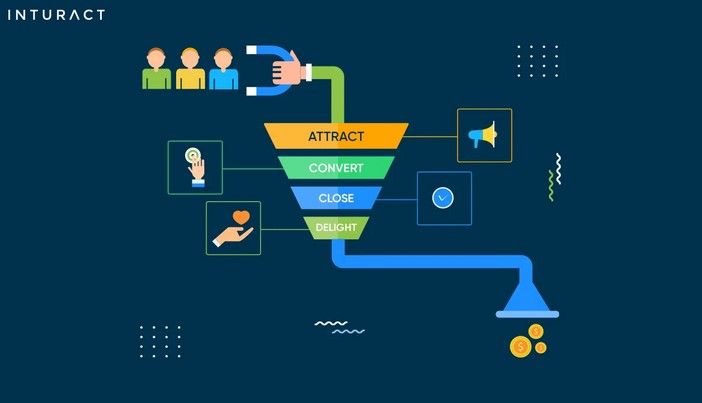
Source:https://www.inturact.com
In the digital age, attracting and converting customers has become more sophisticated than ever. Traditional marketing methods like cold calls, interruptive ads, and direct mail are increasingly ineffective in a world where consumers have the power to filter out unwanted messages. This is where inbound marketing tactics come into play. Inbound marketing is a strategy that focuses on creating valuable content and experiences that naturally attract potential customers to your business, rather than forcing your message on them. By providing helpful, informative, and engaging content, inbound marketing helps establish trust with your audience, guide them through the buyer’s journey, and ultimately convert them into loyal customers. In this article, we will explore several powerful inbound marketing tactics that can attract, engage, and convert prospects into long-term clients.
Understanding Inbound Marketing and Why It Works
At its core, inbound marketing is about building relationships with your customers over time. It differs from traditional marketing by focusing on earning the attention of potential customers rather than buying it. Through inbound marketing, businesses can establish themselves as trusted authorities in their industry, creating a strong online presence that encourages organic growth.
The key to inbound marketing’s success lies in understanding your customers’ needs, providing them with the right content at the right time, and nurturing them through their buying decision process. By attracting visitors with high-quality content and strategically engaging with them throughout their journey, businesses can convert leads into customers and ultimately turn those customers into advocates.
For businesses to effectively use inbound marketing tactics, it’s important to focus on three core stages: attracting visitors, engaging with them, and delighting them to encourage conversion and long-term loyalty.
Effective Inbound Marketing Tactics for Attracting and Converting
1. Content Creation and Blogging
One of the most powerful inbound marketing tactics is content creation, particularly through blogging. Blogging not only provides value to your audience but also boosts your search engine rankings, making it easier for prospects to find you online. By consistently publishing high-quality, informative content related to your industry, you can position your business as an expert and trusted resource in your field.
Action Steps:
- Start by identifying topics that your target audience is interested in or challenges they are facing. These could be questions, how-tos, or insights related to your industry.
- Focus on creating long-form, evergreen content that answers these questions thoroughly, providing value to your readers.
- Optimize each blog post for SEO by including relevant keywords, using appropriate meta descriptions, and linking internally to other related posts on your site.
The more valuable content you provide, the more likely you are to attract visitors to your website and convert them into leads. Additionally, having a blog allows you to engage with your audience regularly, building a stronger relationship over time.
2. Lead Magnets and Email Campaigns
Once you’ve attracted visitors to your website through valuable content, the next step is to convert them into leads. This can be achieved through lead magnets, which are incentives offered in exchange for a visitor’s contact information (such as an email address). Common examples of lead magnets include eBooks, whitepapers, webinars, templates, and checklists.
Action Steps:
- Create high-value lead magnets that solve a specific problem for your target audience. Ensure that the content is relevant to the blog post or landing page visitors are viewing.
- Use clear and compelling calls-to-action (CTAs) to encourage visitors to download your lead magnet. Place CTAs strategically throughout your site, such as at the end of blog posts or in pop-up forms.
- Once you’ve gathered leads, nurture them with personalized email campaigns. Use segmentation to send tailored content based on where they are in the buyer’s journey, and provide additional resources that will help them move closer to making a purchase decision.
Email campaigns that are personalized, timely, and relevant help keep your leads engaged, increasing the chances of conversion. By offering value through educational content and exclusive offers, you can establish trust and move prospects through your sales funnel.
3. Social Media Marketing and Engagement
Social media is a powerful tool for inbound marketing as it allows businesses to interact directly with their audience. Not only can you share your content and engage with followers, but social platforms also provide an opportunity to listen to your audience and gather valuable feedback.
Action Steps:
- Choose the social media platforms that are most relevant to your audience. For example, LinkedIn may be ideal for B2B businesses, while Instagram or Pinterest might be more effective for visually-oriented brands.
- Share your blog posts, infographics, videos, and other content to drive traffic to your website. Don’t just post promotional material—engage with your audience by asking questions, running polls, and responding to comments.
- Leverage social media advertising to further amplify your reach. Paid ads on platforms like Facebook, Instagram, or LinkedIn can help you target specific demographics, driving traffic to your website or lead capture pages.
Social media isn’t just about broadcasting your message; it’s about creating a conversation with your audience. When used strategically, it can amplify your inbound marketing efforts and foster deeper connections with your audience.
4. Search Engine Optimization (SEO)
SEO is essential for ensuring your content gets discovered by the right people. Without SEO, even the best content can go unnoticed. Optimizing your website and blog posts for search engines ensures that your content ranks higher in search results, making it easier for prospects to find you when they search for information related to your products or services.
Action Steps:
- Conduct keyword research to identify the phrases and terms your target audience is searching for. Tools like Google Keyword Planner, SEMrush, or Ahrefs can help you discover valuable keywords.
- Optimize your on-page SEO by incorporating your target keywords in key areas such as titles, headers, meta descriptions, and image alt text.
- Focus on improving user experience (UX) by ensuring your website is fast, mobile-friendly, and easy to navigate. Google rewards websites that provide a positive UX with higher rankings.
SEO is a long-term strategy, but when executed correctly, it can significantly increase the organic traffic to your website, providing a consistent stream of potential leads.
5. Customer Reviews and Testimonials
Finally, one of the most effective ways to convert prospects into customers is through social proof. Customer reviews, testimonials, and case studies build trust and credibility by showcasing your success stories and the positive experiences of past clients.
Action Steps:
- Encourage happy customers to leave reviews on platforms such as Google, Yelp, and Trustpilot. Feature these reviews prominently on your website and landing pages.
- Create in-depth case studies that highlight how your product or service helped solve a customer’s problem. Share these case studies on your blog, email campaigns, and social media.
- Use video testimonials for an added layer of authenticity and engagement. Video allows prospects to connect more personally with your satisfied customers.
Social proof is a powerful tool in the conversion process. When potential customers see that others have had positive experiences with your brand, they are more likely to trust you and move forward with a purchase.
Incorporating effective inbound marketing tactics into your overall marketing strategy is essential for attracting, engaging, and converting leads into loyal customers. From content creation and lead magnets to social media marketing and SEO, the tactics discussed in this article provide a comprehensive approach to inbound marketing that will help your business build relationships with your target audience and guide them through the buyer’s journey. By focusing on creating value and nurturing trust, inbound marketing allows businesses to attract qualified prospects, increase conversion rates, and foster long-term customer loyalty.