


Category Archives: Operations
Logistics Outsourcing: When and How to Do It Right

Source:https://www.inteklogistics.com
In a global economy defined by speed, complexity, and rising customer expectations, logistics has become a critical determinant of business success. Companies are under constant pressure to deliver products faster, reduce costs, and maintain service reliability across increasingly fragmented supply chains. In this context, Logistics outsourcing has emerged as a strategic option rather than a purely operational decision. When executed thoughtfully, it allows organizations to focus on core competencies while leveraging external expertise to enhance efficiency and scalability. However, outsourcing logistics without a clear strategy can expose businesses to operational risks and loss of control, making it essential to understand when and how to do it right.
Understanding the Strategic Rationale for Logistics Outsourcing
The decision to outsource logistics should be grounded in a clear understanding of organizational goals and constraints. Traditionally, companies managed logistics in-house to retain control over inventory, transportation, and distribution. While this approach can work for smaller or less complex operations, it often becomes inefficient as businesses grow, expand geographically, or face volatile demand patterns.
One of the primary drivers of logistics outsourcing is cost optimization. Third-party logistics providers (3PLs) benefit from economies of scale, established carrier networks, and advanced technologies that may be prohibitively expensive for individual companies to develop independently. By outsourcing, organizations can convert fixed costs into variable costs, improving financial flexibility and reducing capital investment.
Beyond cost considerations, outsourcing enables access to specialized expertise. Logistics providers continuously adapt to regulatory changes, technology advancements, and industry best practices. This expertise is particularly valuable in industries with complex compliance requirements or international operations. Additionally, outsourcing can enhance service levels by improving delivery speed, accuracy, and reliability, all of which directly influence customer satisfaction.
Strategically, logistics outsourcing can also support business agility. In dynamic markets, the ability to scale operations up or down quickly is essential. External partners can provide this flexibility, allowing companies to respond more effectively to seasonal fluctuations, market expansion, or unexpected disruptions without overextending internal resources.
Identifying the Right Time and Scope for Outsourcing
While the benefits are compelling, logistics outsourcing is not universally appropriate at all stages of business development. Timing and scope are critical factors that determine success or failure. Organizations must assess internal capabilities, operational complexity, and strategic priorities before making the transition.
A common indicator that outsourcing may be appropriate is when logistics activities begin to distract management from core business functions. If leadership spends disproportionate time resolving shipping issues, managing warehouses, or negotiating carrier contracts, it may signal that logistics has outgrown internal capacity. Similarly, rapid growth or market expansion often introduces logistical challenges that require infrastructure and expertise beyond what an in-house team can efficiently support.
Evaluating Readiness and Selecting the Right Model
Before outsourcing, companies should conduct a thorough readiness assessment. This includes mapping current logistics processes, identifying pain points, and defining clear performance objectives. Not all logistics functions must be outsourced simultaneously; many organizations adopt a phased approach, starting with transportation or warehousing before expanding to integrated solutions.
Selecting the right outsourcing model is equally important. Some businesses opt for transactional relationships focused on specific services, while others pursue strategic partnerships that involve deeper collaboration and shared performance goals. The choice depends on the level of control desired, the complexity of operations, and long-term strategic intent.
Vendor selection should be based on more than cost alone. Reliability, technological capability, cultural fit, and transparency are critical evaluation criteria. A strong partner should demonstrate a clear understanding of the client’s industry, offer scalable solutions, and provide measurable service-level agreements. Due diligence, including reference checks and pilot programs, can help mitigate risks before committing to a long-term arrangement.
Managing Partnerships for Long-Term Success
Outsourcing logistics does not eliminate responsibility; it shifts the nature of oversight from execution to governance. Effective partnership management is essential to ensure that outsourced operations align with business objectives and deliver sustained value.
Clear communication frameworks form the foundation of successful outsourcing relationships. Roles, responsibilities, and escalation procedures should be well-defined from the outset. Regular performance reviews, supported by agreed-upon metrics, enable both parties to monitor progress and address issues proactively. Transparency in data sharing fosters trust and facilitates continuous improvement.
Technology integration plays a significant role in partnership effectiveness. Seamless information flow between systems enhances visibility across the supply chain, enabling better forecasting, inventory management, and customer communication. Companies should prioritize partners whose technology platforms can integrate smoothly with existing systems or support future digital transformation initiatives.
Finally, organizations must view logistics outsourcing as an evolving relationship rather than a static contract. As markets, technologies, and business strategies change, the outsourcing arrangement should be reviewed and adjusted accordingly. Continuous collaboration and joint problem-solving help ensure that the partnership remains aligned with long-term goals.
In conclusion, Logistics outsourcing can be a powerful strategic lever when approached with clarity, discipline, and a long-term perspective. By understanding the rationale, selecting the right timing and scope, and actively managing partnerships, organizations can unlock efficiency, flexibility, and resilience while maintaining control over outcomes that matter most to their customers and stakeholders.
Business Continuity Planning for Crisis Readiness

Source:https://www.mettel.net
In an era defined by uncertainty, organizations face an expanding range of disruptions—from cyberattacks and supply chain failures to natural disasters and sudden economic shocks. Preparing for these events is no longer optional; it is a strategic necessity. Business continuity planning provides organizations with a structured approach to anticipate risks, protect critical operations, and ensure resilience when crises occur. This article introduces a modern perspective on continuity planning, emphasizing proactive readiness, organizational alignment, and long-term sustainability.
1. The Strategic Foundation of Crisis Readiness
Crisis readiness begins with recognizing that disruptions are inevitable, but their impact can be managed. The foundation of effective continuity planning lies in understanding which parts of the organization are truly critical. This requires leadership teams to move beyond surface-level risk assessments and conduct in-depth business impact analyses.
A business impact analysis identifies essential processes, dependencies, and acceptable downtime thresholds. For example, customer-facing systems, financial operations, and data infrastructure often rank among the highest priorities. By clearly defining what must be protected and restored first, organizations can allocate resources more effectively and avoid reactive decision-making during a crisis.
Equally important is aligning continuity planning with overall business strategy. When continuity efforts are treated as isolated compliance exercises, they often fail to deliver real value. Instead, crisis readiness should support strategic objectives such as customer trust, brand reputation, and regulatory compliance. Organizations that integrate continuity planning into strategic planning cycles are better positioned to respond decisively under pressure.
Culture also plays a critical role. Employees must understand their roles during disruptions and feel empowered to act. This requires regular communication, leadership commitment, and clear documentation. A resilient culture does not eliminate risk, but it enables faster, more coordinated responses when challenges arise.
2. Designing Adaptive and Practical Continuity Plans
Once strategic priorities are established, organizations must translate them into actionable and adaptable continuity plans. Effective plans are not overly complex documents that sit on a shelf; they are practical tools designed for real-world use.
A modern continuity plan typically includes response procedures, communication protocols, recovery strategies, and escalation paths. These elements should be tailored to different types of crises, such as technology failures, workforce disruptions, or external events. However, flexibility is key. Rigid plans that assume a single scenario often fail when real conditions differ from expectations.
Technology and Data Resilience as Core Enablers
Technology has become both a critical dependency and a powerful enabler of continuity. Cloud computing, remote work infrastructure, and data redundancy solutions allow organizations to maintain operations even when physical locations are inaccessible. Continuity plans should clearly define data backup schedules, recovery time objectives, and cybersecurity response measures.
At the same time, technology introduces new risks. Cyber incidents can escalate rapidly and affect multiple systems simultaneously. As a result, continuity planning must be closely coordinated with information security and incident response teams. Regular testing of backups, access controls, and recovery processes ensures that technology supports resilience rather than undermines it.
Another important design principle is simplicity. During a crisis, people are under stress and time is limited. Clear checklists, concise instructions, and predefined decision authorities help teams act quickly and confidently. Organizations that invest in usability often outperform those with more detailed but less practical plans.
3. Testing, Learning, and Continuous Improvement
A continuity plan is only as strong as its execution. Regular testing is essential to validate assumptions, identify gaps, and build organizational confidence. Testing should go beyond basic tabletop exercises and include realistic simulations that challenge teams to respond under pressure.
Different types of tests serve different purposes. Tabletop exercises are useful for reviewing roles and communication flows, while functional tests validate specific capabilities such as system recovery or remote work activation. Full-scale simulations, though more resource-intensive, provide the most valuable insights into how teams perform in real time.
Learning from both tests and real incidents is a hallmark of mature continuity programs. After-action reviews help organizations capture lessons learned and translate them into improvements. This may involve updating procedures, investing in new tools, or redefining responsibilities. Importantly, lessons should be shared across the organization to prevent knowledge silos.
Continuous improvement also requires monitoring changes in the internal and external environment. Business models evolve, technologies change, and new risks emerge. Continuity plans must be reviewed and updated regularly to remain relevant. Organizations that treat continuity planning as a living process rather than a one-time project are better equipped to adapt over time.
Finally, leadership engagement is critical to sustaining momentum. When senior leaders participate in exercises and champion resilience initiatives, continuity planning gains visibility and credibility. This top-down support encourages participation across all levels and reinforces the importance of preparedness as a core organizational value.
Crisis readiness is not about predicting every possible disruption; it is about building the capability to respond, recover, and adapt regardless of circumstances. By establishing a strong strategic foundation, designing practical and flexible plans, and committing to ongoing testing and improvement, organizations can significantly reduce the impact of unexpected events. Ultimately, Business continuity planning is a long-term investment in resilience, enabling organizations not only to survive crises but to emerge stronger and more trusted in their aftermath.
Demand Forecasting Techniques to Stay Ahead
Source:https://www.bigtime.net
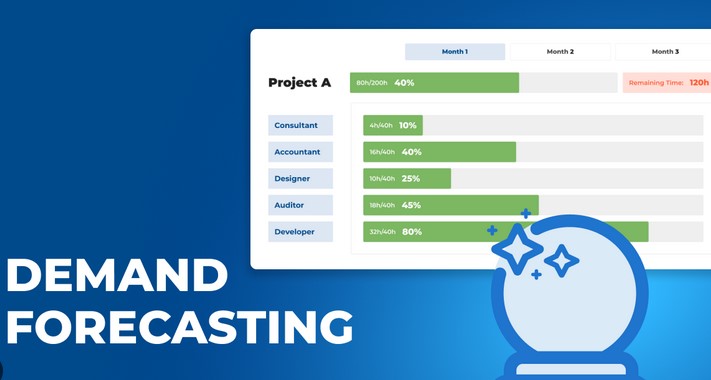
In today’s fast-paced business environment, staying ahead of demand is crucial for organizations to maintain efficiency, minimize costs, and optimize inventory management. One of the most powerful tools in achieving this is demand forecasting. By accurately predicting customer demand, companies can ensure that they have the right products at the right time, avoid stockouts or overstocking, and enhance their overall operational strategy. There are several demand forecasting techniques that businesses can use to anticipate future trends and make data-driven decisions. In this article, we’ll explore some of the most effective demand forecasting techniques and how they can help organizations stay ahead in their respective industries.
1. Qualitative vs. Quantitative Demand Forecasting
Qualitative Forecasting: Gaining Insights from Expert Opinions
Demand forecasting can be broadly divided into two categories: qualitative and quantitative forecasting. Both techniques serve different purposes and are valuable depending on the nature of the business, the available data, and the forecasting horizon.
Qualitative forecasting is often used when historical data is scarce or non-existent. This technique relies on expert judgment, intuition, and insights to predict future demand. Common qualitative methods include:
- Market Research: Conducting surveys, focus groups, or interviews to understand customer preferences and predict demand patterns. This method is especially useful for new product launches or entering new markets.
- Expert Opinion (Delphi Method): In this technique, a group of experts is consulted to provide their predictions regarding future demand. The process typically involves several rounds of feedback, with the goal of achieving a consensus opinion.
- Sales Force Estimation: The sales team, who is directly involved with customers, provides their predictions based on their interactions. This method works well for short-term forecasting in industries with rapidly changing demand patterns.
While qualitative methods are less data-driven, they are often used in conjunction with quantitative techniques to create more accurate and well-rounded forecasts.
Quantitative Forecasting: Data-Driven Precision
On the other hand, quantitative demand forecasting techniques rely on historical data, statistical models, and algorithms to predict future demand. These methods are especially valuable for businesses with large datasets and a consistent history of sales data. Common quantitative forecasting techniques include:
- Time Series Analysis: This technique involves analyzing historical sales data over a period of time to identify trends, seasonal variations, and cyclical patterns. Time series models, such as the moving average or exponential smoothing, are commonly used to predict short-term demand.
- Regression Analysis: Regression models are used to analyze the relationship between demand and one or more independent variables, such as price, advertising, or economic conditions. This technique is particularly useful when there are clear external factors that influence demand.
- Causal Forecasting Models: These models go beyond simple time series analysis and take into account external factors that might affect demand, such as weather patterns, economic indicators, or competitor activities. For example, a retail company might use causal forecasting to predict how a price change in a competing product might impact their sales.
While quantitative techniques tend to be more accurate, especially for long-term forecasting, they also require significant amounts of historical data and can be complex to implement.
2. Advanced Demand Forecasting Techniques
As businesses face increasing complexity in their supply chains and customer demands, advanced demand forecasting techniques have become essential. These methods leverage technology, machine learning, and big data to provide more accurate and granular predictions. Let’s take a closer look at some of these cutting-edge techniques:
1. Machine Learning and Artificial Intelligence (AI)
Machine learning (ML) and AI have revolutionized demand forecasting by enabling businesses to analyze large datasets and identify patterns that traditional methods might miss. These techniques can learn from historical data and adjust forecasts in real-time based on new information. Popular AI-driven techniques include:
- Neural Networks: These algorithms can model complex relationships between multiple variables and provide more precise forecasts by learning from vast amounts of data.
- Random Forests: This ensemble learning technique uses multiple decision trees to predict demand, taking into account various factors such as sales, promotions, and economic conditions.
Machine learning models improve over time, making them particularly effective for dynamic industries where demand can fluctuate rapidly.
2. Big Data Analytics
The rise of big data has opened new opportunities for demand forecasting. By analyzing a wide variety of data sources, including social media sentiment, customer reviews, weather forecasts, and even macroeconomic data, businesses can develop highly accurate demand predictions. For example, a clothing retailer might analyze social media posts to gauge trends and forecast demand for specific styles before they hit the mainstream market.
Big data analytics enables businesses to track real-time changes and adjust their strategies accordingly, leading to a more responsive supply chain and inventory system.
3. Collaborative Forecasting
Collaborative forecasting involves sharing demand forecasts across different departments and stakeholders within the organization, including sales, marketing, and production teams. This approach ensures that all departments align their efforts, share insights, and work towards the same goals.
For example, the sales team may have customer feedback that indicates increasing demand for a specific product, while the production team can assess if the supply chain can handle this increase. By collaborating, businesses can improve forecast accuracy and avoid the disruptions that come with poor communication.
3. Best Practices for Effective Demand Forecasting
1. Regularly Update Forecasts
Demand forecasting is not a one-time activity; it should be an ongoing process. Regularly update forecasts to account for new data, changing market conditions, and any other relevant variables. Many businesses use rolling forecasts that are updated monthly or quarterly to ensure that they remain aligned with market trends.
2. Incorporate External Factors
External factors such as economic shifts, competitor actions, and changes in customer behavior can significantly influence demand. Businesses should incorporate these external variables into their forecasting models to improve accuracy. For example, a retailer may consider global economic trends or upcoming holidays when forecasting demand for certain products.
3. Use a Multi-Method Approach
While it’s tempting to rely on a single demand forecasting technique, using a combination of methods often provides better results. For example, a company could blend quantitative models with expert opinions to create a more robust forecast. By integrating both qualitative and quantitative techniques, businesses can minimize risks associated with relying on one forecasting method alone.
4. Invest in Technology and Tools
Demand forecasting techniques are only as effective as the tools used to implement them. Invest in software solutions that incorporate advanced analytics, machine learning, and big data to automate and improve forecasting. Platforms like SAP Integrated Business Planning (IBP), Oracle Demantra, and various AI-powered forecasting tools can provide businesses with the insights they need to stay ahead.
A comprehensive demand forecasting strategy is vital for any business looking to stay ahead in a competitive and dynamic market. Whether using traditional methods such as time series analysis or advanced techniques like machine learning and big data analytics, effective demand forecasting enables businesses to make informed decisions and optimize operations. By adopting a combination of forecasting techniques and continuously refining the approach, organizations can anticipate market shifts, manage inventory effectively, and ultimately, provide better value to their customers. Demand forecasting is not just a tool—it’s a competitive advantage that, when implemented correctly, allows companies to stay ahead of the curve and thrive in an ever-changing marketplace.
Conducting Operational Risk Assessments Effectively

Source:https://www.piranirisk.com
In today’s dynamic business environment, organizations face a wide array of risks that can potentially disrupt operations, impact financial stability, and damage reputations. Conducting an operational risk assessment is crucial for identifying, evaluating, and mitigating these risks before they escalate into significant issues. Whether a company is navigating the challenges of cybersecurity, regulatory changes, or supply chain disruptions, an effective operational risk assessment process helps organizations anticipate potential obstacles and take proactive measures. In this article, we will discuss the importance of operational risk assessments, the steps involved in conducting them effectively, and best practices that can enhance the risk management process.
Understanding Operational Risk Assessment
An operational risk assessment is the systematic process of identifying, analyzing, and evaluating risks that may affect an organization’s day-to-day operations. These risks can arise from various internal and external factors, such as human error, technological failures, process inefficiencies, or environmental events. The goal of the assessment is to prioritize these risks based on their potential impact on the business and to implement mitigation strategies to minimize or eliminate them.
While operational risk assessments are a key component of broader enterprise risk management (ERM) frameworks, they focus specifically on risks associated with the operational aspects of a business, such as workflow, systems, and resources. A well-conducted operational risk assessment allows businesses to create contingency plans, ensure compliance, and improve overall operational resilience.
Steps for Conducting an Effective Operational Risk Assessment
To conduct an operational risk assessment effectively, organizations must follow a structured process that ensures all risks are properly identified, analyzed, and mitigated. Here are the key steps involved:
1. Identify Risks
The first step in any operational risk assessment is to identify the risks that could potentially affect the organization. This involves gathering input from various stakeholders, such as department heads, employees, and even external experts, to ensure that all areas of the business are covered. Common sources of operational risks include:
- Human Factors: Mistakes, lack of training, or employee turnover can introduce risks to operations.
- Technology Failures: Cyberattacks, software bugs, or system outages can disrupt day-to-day operations.
- Process Inefficiencies: Bottlenecks, outdated workflows, or inadequate processes may create operational vulnerabilities.
- External Factors: Supply chain disruptions, regulatory changes, or natural disasters are examples of external risks that need to be considered.
Using tools such as brainstorming sessions, surveys, and historical data analysis can help ensure that all potential risks are identified.
2. Assess and Analyze Risks
Once risks are identified, the next step is to assess and analyze them. This phase involves determining the likelihood of each risk occurring and its potential impact on the organization. Organizations typically use qualitative or quantitative methods to assess risks. Some common techniques include:
- Risk Matrix: A visual representation that helps assess the likelihood and impact of risks on a scale (e.g., low, medium, high). This method helps prioritize which risks need immediate attention.
- Failure Mode and Effects Analysis (FMEA): A systematic approach to identifying potential failure modes in processes and their consequences, helping to prioritize actions.
- Quantitative Models: These models use data and statistical methods to measure the probability of risks and their financial impacts.
By evaluating the risks in this manner, organizations can better understand which risks are most critical and require immediate action versus those that can be monitored over time.
3. Develop Mitigation Strategies
After assessing the risks, organizations need to develop strategies to mitigate or reduce the impact of these risks. Risk mitigation strategies can include:
- Process Improvements: Streamlining workflows and procedures to reduce inefficiencies and errors.
- Technology Upgrades: Implementing more secure, reliable, or efficient technology to prevent system failures or breaches.
- Training Programs: Providing regular training to employees to ensure they are prepared to handle potential operational disruptions.
- Contingency Plans: Developing backup plans, such as alternative suppliers or disaster recovery strategies, to ensure business continuity in the face of disruptions.
Risk mitigation should aim to either reduce the likelihood of the risk occurring or lessen its impact on the business if it does happen. The strategies should be tailored to the specific needs and circumstances of the organization.
4. Implement and Monitor the Action Plan
Once the mitigation strategies are developed, they must be implemented effectively. This phase requires collaboration across departments to ensure that action plans are carried out efficiently. Communication is key during implementation, as stakeholders must be informed of their roles in the process and the timeline for execution.
After implementing the mitigation strategies, it is essential to continuously monitor the effectiveness of the actions taken. Monitoring allows the organization to identify if further adjustments are necessary or if new risks have emerged that require attention. This can be done through regular reviews, performance metrics, and feedback from employees involved in the day-to-day operations.
5. Review and Update the Risk Assessment
An operational risk assessment should not be a one-time event. As business environments, technologies, and processes evolve, new risks can emerge. Therefore, it is important to periodically review and update the risk assessment to ensure that it remains relevant and accurate. This ongoing process helps organizations stay agile and responsive to potential threats, enabling them to adapt their risk management strategies as needed.
Best Practices for Conducting Operational Risk Assessments
To ensure that your operational risk assessment is effective and yields actionable results, consider the following best practices:
1. Engage All Relevant Stakeholders
Operational risk assessments should involve input from all relevant stakeholders, including employees, department heads, risk managers, and even external partners. This collaborative approach ensures that all potential risks are identified and addressed, and it fosters a culture of shared responsibility for risk management.
2. Leverage Technology and Data
Modern technology can greatly enhance the risk assessment process. Using advanced data analytics tools, risk management software, and automated systems can help identify and analyze risks more efficiently. These tools can provide real-time insights into potential risks and track the effectiveness of mitigation efforts over time.
3. Establish a Risk Management Framework
A well-defined risk management framework is essential for ensuring that the operational risk assessment process is structured, consistent, and aligned with organizational objectives. This framework should outline the steps involved, the roles and responsibilities of stakeholders, and the criteria for assessing and prioritizing risks.
4. Foster a Risk-Aware Culture
Creating a risk-aware culture is key to the success of any risk assessment process. Encourage employees at all levels to report potential risks and contribute to risk mitigation efforts. This proactive approach helps create an environment where risks are identified early, and actions are taken swiftly to address them.
In conclusion, conducting an operational risk assessment is an essential step in managing the potential risks that could disrupt an organization’s operations. By following a structured process that includes risk identification, assessment, mitigation, and ongoing monitoring, businesses can not only reduce the likelihood of operational disruptions but also ensure continuity and resilience in the face of unforeseen challenges. An effective operational risk assessment can help organizations navigate an increasingly complex and unpredictable environment, making it a critical component of any comprehensive risk management strategy.
Supply Chain Resilience: Navigating Disruptions in Modern Operations
Supply chain resilience is a critical component of modern operations. It is the ability of a supply chain to respond to disruptions and maintain operations in the face of unexpected events. Supply chain resilience is essential for businesses to remain competitive in today’s rapidly changing environment. It requires a comprehensive understanding of the supply chain, its components, and the potential risks associated with it. This understanding must be combined with the right strategies and tools to ensure that the supply chain is able to respond quickly and effectively to disruptions. By understanding the importance of supply chain resilience and how to navigate disruptions, businesses can ensure that their operations remain efficient and profitable.
How to Leverage Technology to Enhance Supply Chain Resilience in the Face of Disruptions
In today’s globalized economy, supply chain disruptions can have a significant impact on businesses. To ensure supply chain resilience in the face of disruptions, organizations must leverage technology to create a more agile and responsive supply chain.
One way to leverage technology to enhance supply chain resilience is to use predictive analytics. Predictive analytics can help organizations anticipate potential disruptions and take proactive steps to mitigate their impact. For example, predictive analytics can be used to identify potential supply chain bottlenecks and take steps to address them before they become a problem. Additionally, predictive analytics can be used to identify potential risks and develop strategies to mitigate them.
Another way to leverage technology to enhance supply chain resilience is to use automation. Automation can help organizations streamline their supply chain processes, making them more efficient and responsive. Automation can also help organizations reduce costs and improve customer service. Additionally, automation can help organizations quickly respond to disruptions by quickly rerouting shipments and adjusting production schedules.
Finally, organizations can leverage technology to improve visibility into their supply chain. By using real-time tracking and monitoring tools, organizations can gain a better understanding of their supply chain and quickly identify potential disruptions. This improved visibility can help organizations take proactive steps to mitigate the impact of disruptions and ensure supply chain resilience.
By leveraging technology to create a more agile and responsive supply chain, organizations can ensure supply chain resilience in the face of disruptions. Predictive analytics, automation, and improved visibility can all help organizations create a more resilient supply chain and mitigate the impact of disruptions.
Strategies for Building a Robust Supply Chain Resilience Plan to Mitigate Disruptions
1. Establish a Risk Management Plan: Develop a comprehensive risk management plan that identifies potential risks and outlines strategies to mitigate them. This plan should include a risk assessment of the entire supply chain, from suppliers to customers, and should be regularly updated to reflect changes in the market.
2. Develop a Contingency Plan: Develop a contingency plan that outlines how the organization will respond to disruptions in the supply chain. This plan should include strategies for dealing with supply chain disruptions, such as alternative suppliers, alternative transportation routes, and alternative production methods.
3. Utilize Technology: Utilize technology to monitor the supply chain and identify potential risks. This includes using predictive analytics to anticipate disruptions and using real-time data to monitor the supply chain.
4. Establish Partnerships: Establish partnerships with suppliers and other stakeholders in the supply chain to ensure that the organization is prepared for potential disruptions. This includes developing relationships with alternative suppliers and transportation providers.
5. Invest in Training: Invest in training for employees to ensure that they are prepared to respond to supply chain disruptions. This includes training on how to identify potential risks and how to respond to them.
6. Monitor the Market: Monitor the market for potential risks and disruptions. This includes monitoring the political and economic environment, as well as changes in the industry.
7. Implement Quality Control: Implement quality control measures to ensure that the organization is receiving the highest quality products and services from its suppliers. This includes conducting regular audits of suppliers and their processes.
8. Establish Communication Protocols: Establish communication protocols to ensure that all stakeholders in the supply chain are informed of potential risks and disruptions. This includes developing a communication plan that outlines how information will be shared and who will be responsible for sharing it.
Conclusion
In conclusion, supply chain resilience is an essential component of modern operations. It is important for organizations to be prepared for disruptions and to have a plan in place to ensure that their supply chain remains resilient. By understanding the risks associated with supply chain disruptions, organizations can develop strategies to mitigate those risks and ensure that their supply chain remains resilient. Additionally, organizations should take advantage of technology and data analytics to gain insights into their supply chain and identify potential disruptions before they occur. By taking these steps, organizations can ensure that their supply chain remains resilient and can navigate disruptions in modern operations.
Operational Efficiency Redefined: Streamlining Your Business for Growth
Operational Efficiency Redefined: Streamlining Your Business for Growth is a comprehensive guide to improving the efficiency of your business operations. It provides a comprehensive overview of the key elements of operational efficiency, from process optimization to resource management. It also provides practical advice on how to identify and address inefficiencies in your business operations, as well as how to use technology to improve efficiency. This book is an invaluable resource for business owners and managers who want to maximize their operational efficiency and drive growth.
How to Leverage Automation to Improve Operational Efficiency
Automation is a powerful tool that can be used to improve operational efficiency. Automation can help streamline processes, reduce costs, and increase productivity. By leveraging automation, businesses can reduce manual labor, eliminate errors, and improve customer service.
Automation can be used to automate repetitive tasks, such as data entry, customer service, and order processing. Automation can also be used to automate complex processes, such as inventory management, financial reporting, and customer relationship management. Automation can also be used to automate customer service, such as responding to customer inquiries and providing customer support.
Automation can also be used to improve operational efficiency by reducing manual labor. Automation can be used to automate mundane tasks, such as data entry and customer service, freeing up employees to focus on more important tasks. Automation can also be used to automate complex processes, such as inventory management and financial reporting, reducing the amount of time and effort required to complete these tasks.
Automation can also be used to reduce errors and improve customer service. Automation can be used to automate customer service tasks, such as responding to customer inquiries and providing customer support. Automation can also be used to automate complex processes, such as inventory management and financial reporting, reducing the chances of errors.
Finally, automation can be used to improve operational efficiency by increasing productivity. Automation can be used to automate mundane tasks, such as data entry and customer service, freeing up employees to focus on more important tasks. Automation can also be used to automate complex processes, such as inventory management and financial reporting, reducing the amount of time and effort required to complete these tasks.
In conclusion, automation is a powerful tool that can be used to improve operational efficiency. Automation can be used to automate mundane tasks, such as data entry and customer service, freeing up employees to focus on more important tasks. Automation can also be used to automate complex processes, such as inventory management and financial reporting, reducing the amount of time and effort required to complete these tasks. Automation can also be used to reduce errors and improve customer service. By leveraging automation, businesses can reduce manual labor, eliminate errors, and improve customer service.
The Benefits of Investing in Operational Efficiency for Business Growth
Investing in operational efficiency is an important step for businesses looking to grow and succeed. By streamlining processes and improving efficiency, businesses can reduce costs, increase productivity, and improve customer satisfaction. Here are some of the key benefits of investing in operational efficiency for business growth.
First, investing in operational efficiency can help businesses reduce costs. By streamlining processes and eliminating unnecessary steps, businesses can save money on labor, materials, and other resources. This can help businesses reduce overhead costs and increase their bottom line.
Second, investing in operational efficiency can help businesses increase productivity. By streamlining processes and eliminating unnecessary steps, businesses can reduce the amount of time it takes to complete tasks. This can help businesses increase their output and improve their overall efficiency.
Third, investing in operational efficiency can help businesses improve customer satisfaction. By streamlining processes and eliminating unnecessary steps, businesses can reduce the amount of time it takes to complete tasks. This can help businesses provide better customer service and improve customer satisfaction.
Finally, investing in operational efficiency can help businesses increase their competitive advantage. By streamlining processes and eliminating unnecessary steps, businesses can reduce the amount of time it takes to complete tasks. This can help businesses stay ahead of the competition and gain a competitive edge.
In conclusion, investing in operational efficiency is an important step for businesses looking to grow and succeed. By streamlining processes and improving efficiency, businesses can reduce costs, increase productivity, and improve customer satisfaction. This can help businesses increase their competitive advantage and achieve long-term success.
Conclusion
Operational Efficiency Redefined: Streamlining Your Business for Growth provides a comprehensive guide to improving operational efficiency and driving business growth. By understanding the key components of operational efficiency, businesses can identify areas of improvement and develop strategies to increase efficiency and reduce costs. With the right tools and processes in place, businesses can create a more efficient and profitable organization that is better positioned for long-term success.