


Business Continuity Planning for Crisis Readiness
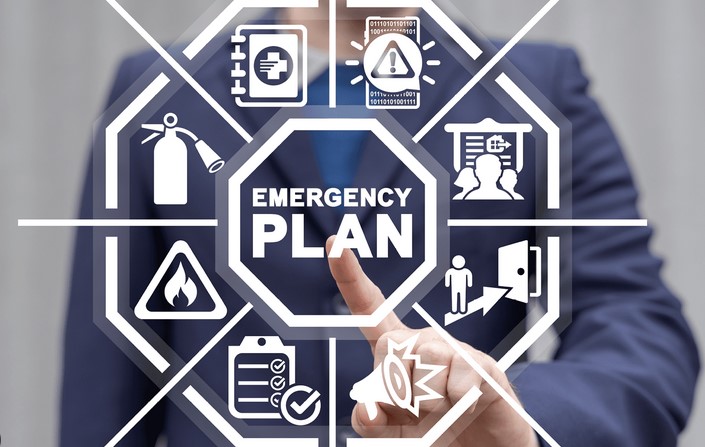
Source:https://www.mettel.net
In an era defined by uncertainty, organizations face an expanding range of disruptions—from cyberattacks and supply chain failures to natural disasters and sudden economic shocks. Preparing for these events is no longer optional; it is a strategic necessity. Business continuity planning provides organizations with a structured approach to anticipate risks, protect critical operations, and ensure resilience when crises occur. This article introduces a modern perspective on continuity planning, emphasizing proactive readiness, organizational alignment, and long-term sustainability.
1. The Strategic Foundation of Crisis Readiness
Crisis readiness begins with recognizing that disruptions are inevitable, but their impact can be managed. The foundation of effective continuity planning lies in understanding which parts of the organization are truly critical. This requires leadership teams to move beyond surface-level risk assessments and conduct in-depth business impact analyses.
A business impact analysis identifies essential processes, dependencies, and acceptable downtime thresholds. For example, customer-facing systems, financial operations, and data infrastructure often rank among the highest priorities. By clearly defining what must be protected and restored first, organizations can allocate resources more effectively and avoid reactive decision-making during a crisis.
Equally important is aligning continuity planning with overall business strategy. When continuity efforts are treated as isolated compliance exercises, they often fail to deliver real value. Instead, crisis readiness should support strategic objectives such as customer trust, brand reputation, and regulatory compliance. Organizations that integrate continuity planning into strategic planning cycles are better positioned to respond decisively under pressure.
Culture also plays a critical role. Employees must understand their roles during disruptions and feel empowered to act. This requires regular communication, leadership commitment, and clear documentation. A resilient culture does not eliminate risk, but it enables faster, more coordinated responses when challenges arise.
2. Designing Adaptive and Practical Continuity Plans
Once strategic priorities are established, organizations must translate them into actionable and adaptable continuity plans. Effective plans are not overly complex documents that sit on a shelf; they are practical tools designed for real-world use.
A modern continuity plan typically includes response procedures, communication protocols, recovery strategies, and escalation paths. These elements should be tailored to different types of crises, such as technology failures, workforce disruptions, or external events. However, flexibility is key. Rigid plans that assume a single scenario often fail when real conditions differ from expectations.
Technology and Data Resilience as Core Enablers
Technology has become both a critical dependency and a powerful enabler of continuity. Cloud computing, remote work infrastructure, and data redundancy solutions allow organizations to maintain operations even when physical locations are inaccessible. Continuity plans should clearly define data backup schedules, recovery time objectives, and cybersecurity response measures.
At the same time, technology introduces new risks. Cyber incidents can escalate rapidly and affect multiple systems simultaneously. As a result, continuity planning must be closely coordinated with information security and incident response teams. Regular testing of backups, access controls, and recovery processes ensures that technology supports resilience rather than undermines it.
Another important design principle is simplicity. During a crisis, people are under stress and time is limited. Clear checklists, concise instructions, and predefined decision authorities help teams act quickly and confidently. Organizations that invest in usability often outperform those with more detailed but less practical plans.
3. Testing, Learning, and Continuous Improvement
A continuity plan is only as strong as its execution. Regular testing is essential to validate assumptions, identify gaps, and build organizational confidence. Testing should go beyond basic tabletop exercises and include realistic simulations that challenge teams to respond under pressure.
Different types of tests serve different purposes. Tabletop exercises are useful for reviewing roles and communication flows, while functional tests validate specific capabilities such as system recovery or remote work activation. Full-scale simulations, though more resource-intensive, provide the most valuable insights into how teams perform in real time.
Learning from both tests and real incidents is a hallmark of mature continuity programs. After-action reviews help organizations capture lessons learned and translate them into improvements. This may involve updating procedures, investing in new tools, or redefining responsibilities. Importantly, lessons should be shared across the organization to prevent knowledge silos.
Continuous improvement also requires monitoring changes in the internal and external environment. Business models evolve, technologies change, and new risks emerge. Continuity plans must be reviewed and updated regularly to remain relevant. Organizations that treat continuity planning as a living process rather than a one-time project are better equipped to adapt over time.
Finally, leadership engagement is critical to sustaining momentum. When senior leaders participate in exercises and champion resilience initiatives, continuity planning gains visibility and credibility. This top-down support encourages participation across all levels and reinforces the importance of preparedness as a core organizational value.
Crisis readiness is not about predicting every possible disruption; it is about building the capability to respond, recover, and adapt regardless of circumstances. By establishing a strong strategic foundation, designing practical and flexible plans, and committing to ongoing testing and improvement, organizations can significantly reduce the impact of unexpected events. Ultimately, Business continuity planning is a long-term investment in resilience, enabling organizations not only to survive crises but to emerge stronger and more trusted in their aftermath.